
In the commercial landscape, efficiency is no longer just a competitive advantage; it is a necessity. Businesses are constantly evaluating where their time, energy, and resources are best spent, and for many, transport is an area undergoing serious reconsideration. Rather than managing vehicles, drivers, maintenance, and logistics internally, organisations are increasingly choosing to outsource transport to specialist providers.
This strategic shift is not simply about convenience; it is about operating smarter, staying agile, and positioning a business for sustainable growth.
Focus on What Your Business Does Best
Every successful business understands the value of concentrating on its core strengths. For a retailer, that might mean refining product lines and enhancing customer experience. For a manufacturer, it could involve improving production processes. Transport management, while essential, often sits outside these primary objectives.
Outsourcing allows leadership teams to redirect their attention to high-impact activities rather than juggling delivery schedules or troubleshooting vehicle issues. When operational distractions are removed, productivity tends to increase naturally. Put simply, less time spent managing logistics means more time spent driving the business forward.
Reduce Operational Costs
Running an in-house transport operation can be expensive, and the true cost is often underestimated. Beyond purchasing vehicles, businesses must account for insurance, fuel, repairs, compliance, staffing, and depreciation. Outsourced transport typically converts these unpredictable expenses into more manageable, transparent costs. Instead of sudden repair bills or fleet upgrades, companies benefit from clearer financial forecasting.
Additionally, transport providers often operate at scale, enabling efficiencies that individual businesses may struggle to achieve on their own. Access to established networks and route optimisation can further reduce unnecessary expenditure.
Gain Immediate Access to Expertise
Transport is a specialised field that requires up-to-date knowledge of regulations, safety standards, and logistical planning. Professional providers bring this expertise as part of the service.
From understanding compliance requirements to navigating complex delivery routes, experienced partners help minimise risk while ensuring operations run smoothly. This level of knowledge can be particularly valuable for businesses expanding into new regions or managing high-value goods.
Rather than building this expertise internally (a process that can take years), outsourcing offers instant capability.
Improve Flexibility as Your Business Evolves
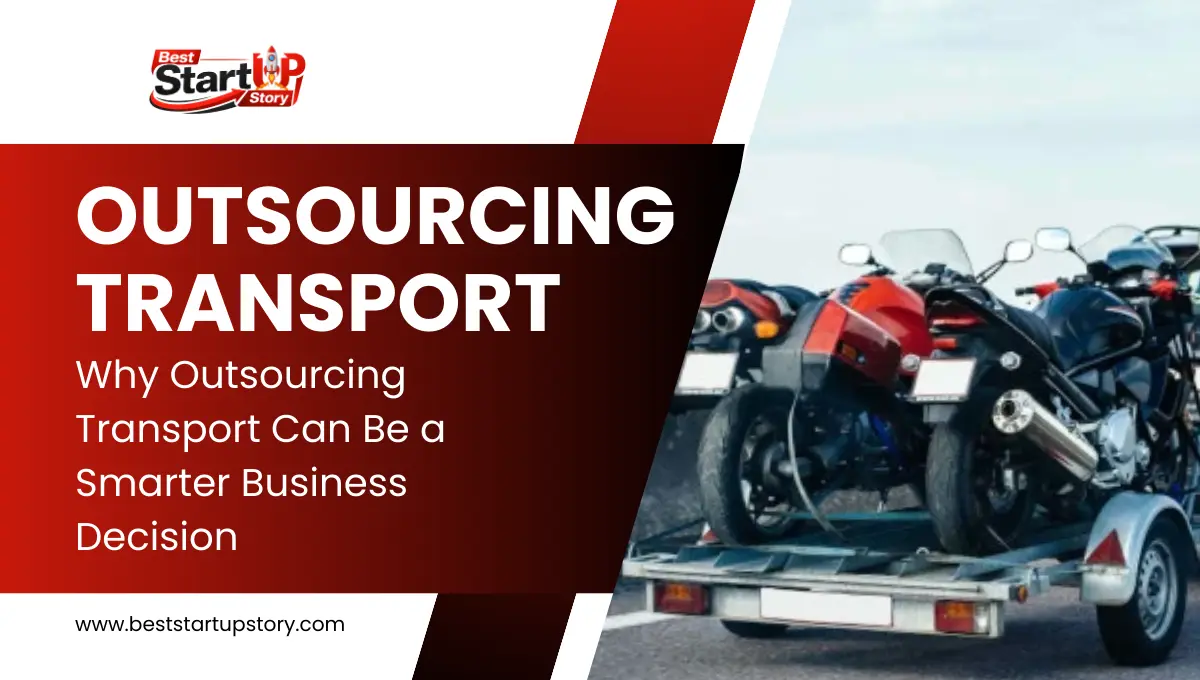
Growth rarely follows a perfectly predictable path. Seasonal demand, rapid expansion, or unexpected opportunities can all place pressure on transport capacity. Outsourcing provides the flexibility to scale services up or down as needed. During busy periods, additional support can often be arranged quickly. When demand slows, businesses avoid the financial burden of underutilised vehicles and staff, but when it picks up again, they can instead turn to an expert like this Buckinghamshire motorcycle transportation company to move the extra vehicles they need without trouble, even in those quieter periods.
This adaptability is especially important in uncertain economic climates, where resilience often depends on the ability to respond quickly to change.
Enhance Reliability and Customer Satisfaction
Modern customers expect fast, dependable delivery. Delays and communication breakdowns can quickly damage brand reputation. Specialist transport providers typically rely on structured systems, tracking technology, and experienced drivers to maintain service consistency. Many also offer real-time updates, improving transparency for both businesses and their customers.
Turn Logistics Into a Strategic Advantage
When transport runs smoothly, it often goes unnoticed, but its impact is significant. Efficient logistics can shorten lead times, improve service quality, and create a more seamless customer experience.
Outsourcing allows businesses to transform transport from a reactive necessity into a proactive strength. With specialists handling the operational details, companies can approach logistics with greater confidence and strategic intent.
Conclusion
Outsourcing transport is no longer just a cost-saving tactic; it has become a strategic decision that supports agility, resilience, and long-term growth. Ultimately, the smartest organisations recognise that success often comes from knowing what to manage internally and what to trust to experienced partners. When transport is placed in capable hands, businesses gain the freedom to focus on innovation, customer relationships, and the opportunities that lie ahead.
Also Read: Phoenix Pedestrian Accident Attorney: 10 Powerful Ways Callharris Protects Injured Victims