
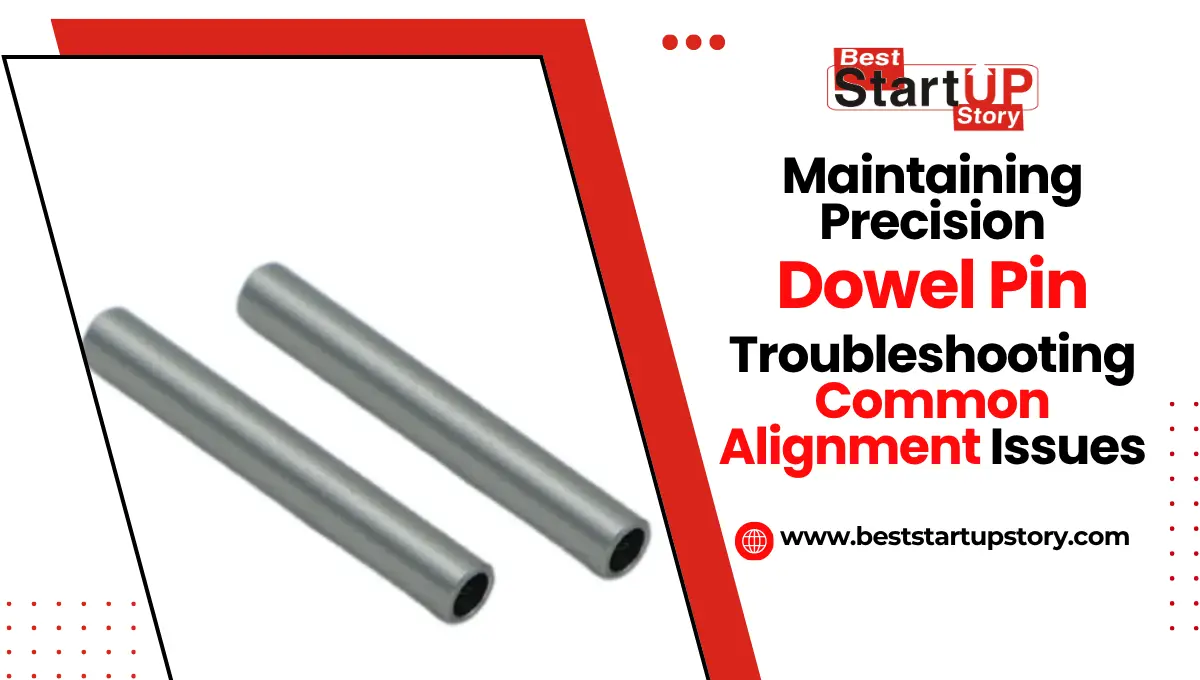
What happens when precision machinery starts to show signs of misalignment? The consequences range from irritating vibrations to catastrophic failures that shut down production lines and cost thousands in repairs. Many maintenance technicians miss the early warning signs until it’s too late. By then, the damage extends far beyond a simple fix.
Dowel pins play a crucial yet often overlooked role in maintaining alignment between mating components. These small cylindrical fasteners might seem insignificant compared to other machinery parts, but their failure can trigger a cascade of problems throughout an entire assembly. Misaligned dowel pins lead to uneven wear patterns, increased vibration, and reduced operational efficiency that directly impacts the bottom line.
When troubleshooting alignment issues, checking dowel pins should be among the first steps rather than an afterthought. These precision components establish the foundational positioning between parts, and even slight deviations can amplify into major problems over time. Many technicians waste hours investigating complex causes when the solution might be as simple as a worn or improperly installed dowel pin.
Common Alignment Issues and Their Warning Signs
Strange noises from machinery aren’t just annoying, they signal problems that will only grow worse. Unusual vibrations, particularly those that develop gradually, often point to alignment issues that might stem from dowel pin problems. Uneven wear patterns on mating surfaces provide another telltale sign that something isn’t right with your alignment components.
Performance degradation happens so gradually that many operators don’t notice until production quality suffers. By the time parts start failing quality control checks, the misalignment has typically progressed far beyond the initial stages. This means more extensive repairs and longer downtime.
Visual inspection sometimes reveals the problem, look for signs of movement where components should remain fixed. Fretting corrosion (reddish-brown residue) around dowel pin locations indicates unwanted movement between surfaces that should remain stationary. This movement accelerates wear and compounds alignment problems.
Root Causes of Dowel Pin Failure
Improper Initial Installation
Many alignment problems trace back to the initial installation. Forcing dowel pins into holes that are too small damages both the pin and the hole, compromising the interference fit that maintains position. Conversely, holes that are too large fail to provide adequate support, allowing unwanted movement.
The sequence of tightening fasteners matters more than many realise. Tightening bolts before dowel pins are properly seated can force components into misalignment. This creates residual stress that gradually works against the positioning function of the pins.
Cleanliness seems obvious yet gets overlooked surprisingly often. Debris trapped between mating surfaces during assembly prevents proper contact and creates uneven stress distribution. Even microscopic particles can prevent dowel pins from seating correctly.
Material and Design Mismatch
Thermal expansion differences between pins and housing materials create cyclic stress during temperature fluctuations. Equipment that experiences wide temperature variations particularly suffers from this problem. The repeated expansion and contraction gradually loosen the interference fit.
Load patterns that weren’t considered during initial design often lead to premature failure. Dowel pins sized for static loads may fail under unexpected dynamic or shock loading conditions. The margin for error shrinks dramatically when equipment operates near maximum capacity.
The hardness differential between pins and housing sometimes accelerates wear. Pins that are too hard can cause galling and damage in softer housing materials, while pins that are too soft deform under pressure. Either scenario compromises the precision alignment function.
Environmental and Operational Factors
Vibration loosens interference fits over time, particularly in equipment without proper dampening. The cumulative effect of millions of micro-movements gradually wears both the pins and holes, creating increasing amounts of unwanted movement.
Corrosion attacks the dimensional integrity of dowel pins, especially in humid or chemically aggressive environments. Even mild corrosion changes the effective diameter of pins, compromising the precise fit required for accurate alignment. Stainless steel pins cost more but often deliver better long-term value in these conditions.
Contamination from process materials or ambient conditions works its way between surfaces, accelerating wear and preventing proper contact. This problem proves particularly common in dusty environments or applications involving abrasive materials.
Diagnostic Approaches
Non-Destructive Inspection Methods
Visual inspection provides the first line of investigation. Look for wear marks, fretting corrosion, or elongated holes that suggest movement. The pattern of wear often points toward the root cause of the misalignment.
Dial indicators help quantify misalignment without disassembly. Taking measurements during operation can reveal dynamic movement not visible during static inspection. Compare readings to baseline measurements established when the equipment was properly aligned.
Thermal imaging sometimes reveals alignment problems through irregular heat patterns. Areas experiencing excessive friction due to misalignment typically run hotter than surrounding regions. This technique works best when comparing against baseline thermal images of properly functioning equipment.
When Disassembly Becomes Necessary
Document everything before disassembly. Take photos from multiple angles and mark component orientations to ensure proper reassembly. Many alignment problems worsen after maintenance because the original orientations aren’t maintained.
Measure hole dimensions and compare to the specification. Elongated or worn holes need repair or replacement before new dowel pins will function correctly. Even slight deviations from specification significantly impact alignment quality.
Examine the pins themselves for signs of deformation, wear, or damage. Bent pins, visible wear patterns, or corrosion indicate problems that will persist if only the pins are replaced without addressing the underlying cause.
Effective Solutions and Best Practices
Repair Strategies
Reaming oversized or damaged holes to the next standard size creates a fresh mounting surface for larger replacement pins. This approach works well when hole damage is minimal and component material thickness permits slight enlargement.
Hole repair inserts provide another option when the base material cannot be modified. These hardened sleeves press into oversized holes, restoring the original dimensions with a more wear-resistant surface. The extra step adds cost but often results in more durable repairs.
Complete replacement of damaged components might seem expensive but often proves more economical long-term. Attempting to salvage severely damaged mounting surfaces often results in repeated failures and multiple repair attempts that exceed the replacement cost.
Preventive Measures
Regular inspection schedules catch problems before they cascade into major failures. Include dowel pin checks in routine maintenance protocols rather than waiting for noticeable symptoms. Look for early signs of movement, wear, or corrosion.
Proper lubrication matters more than commonly recognised. While dowel pins aren’t typically lubricated themselves, proper lubrication of surrounding moving components reduces transferred loads and vibration that affect alignment systems.
Temperature management helps prevent thermal expansion problems. When possible, control ambient temperatures or provide adequate warm-up periods before full operation. This reduces thermal cycling stress on interference fits.
Upgrade to higher-quality pins in critical applications. The price difference between standard and precision-ground dowel pins seems significant when comparing component costs alone, but becomes trivial when factoring in the cost of downtime and repairs from alignment failures.
Implementation Case Examples
Agricultural equipment manufacturer saw repeated failures in gear housing alignments approximately every 400 operating hours. Investigation revealed standard commercial dowel pins were yielding under shock loads from field operation. Switching to higher-grade hardened pins with slightly larger diameter extended operating time between failures to over 2,000 hours.
Packaging machinery experienced progressive misalignment during daily thermal cycling from washdown procedures. Replacement with stainless pins having matched thermal expansion characteristics eliminated the problem, but only after correctly identifying the root cause through temperature monitoring during operation cycles.
Automotive assembly operation struggled with inconsistent quality until analysis revealed operator variation in dowel pin installation. Developing a simple fixture to ensure proper pin seating before bolt tightening eliminated the variation and associated quality problems.
Long-Term Alignment Maintenance
Document repairs and modifications thoroughly. This historical information proves invaluable for troubleshooting recurring issues and identifying patterns that might otherwise go unnoticed. Include dates, specific components replaced, and observed conditions.
Monitor alignment trends rather than treating each instance as an isolated event. Progressively shortening intervals between similar failures often indicate systemic problems rather than component issues. This trend analysis helps identify root causes that might otherwise remain hidden.
Training maintenance personnel specifically on alignment fundamentals and dowel pin function pays dividends through faster troubleshooting and fewer repeat failures. Many technicians understand what dowel pins do but lack knowledge about how they fail and the correct approaches to repair.
The cost of precision matters less than the cost of failure. Investing in proper tools, quality components, and thorough procedures typically represents a fraction of the expense associated with production downtime and emergency repairs. This perspective helps justify making the right decisions rather than just the most expedient ones.
Also Read: The Hidden History of Dumpsters: From Industrial Necessity to Cultural Icon