
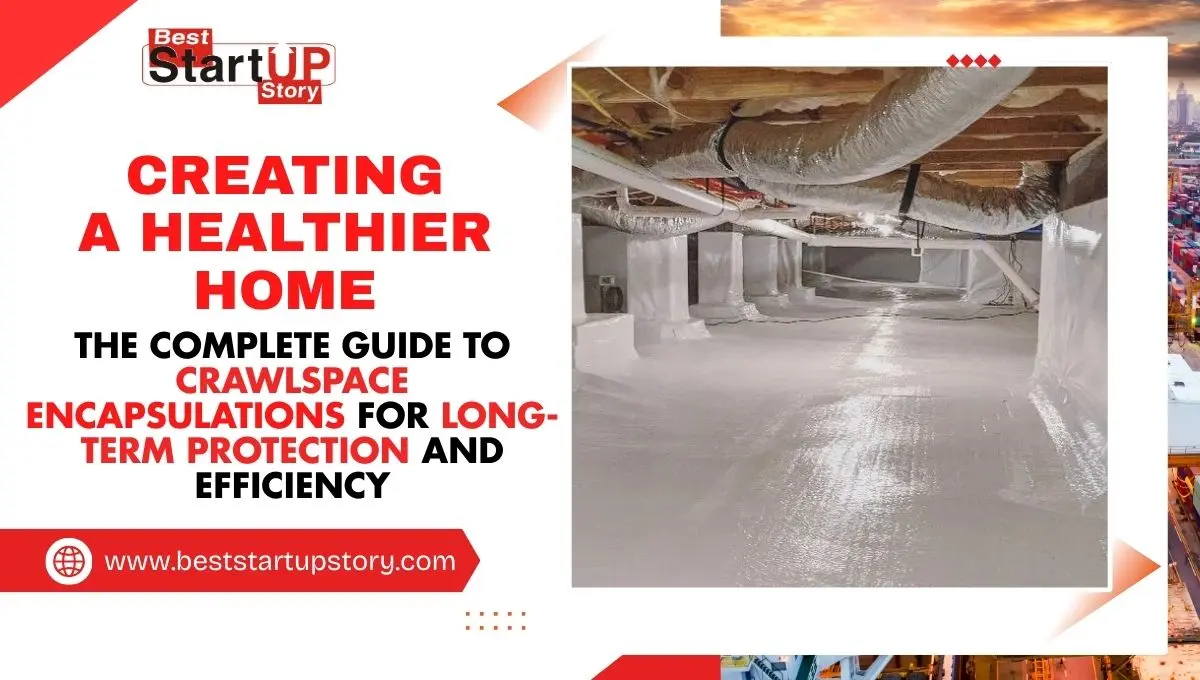
Understanding the Purpose and Power of Crawlspace Encapsulations
Crawlspace encapsulations have become one of the most effective methods for protecting homes from moisture, mold, structural decay, poor air quality, and energy loss. While crawlspaces are often ignored because they are rarely entered, the environment beneath your home has a significant impact on its overall health and stability. A damp, unsealed crawlspace can lead to excessive humidity, pest infestations, wood rot, insulation deterioration, and even foundation problems. Encapsulation addresses these issues by transforming the crawlspace into a controlled, moisture-resistant environment that supports your home’s long-term durability and energy efficiency.
Most traditional crawlspaces were designed to be vented under the assumption that allowing outdoor air to circulate would keep them dry. However, research and real-world experience have shown the opposite to be true. Instead of drying the crawlspace, vented designs often introduce more humidity, especially during warm seasons when moist air enters and condenses on cooler surfaces. This moisture begins a cycle of decay that continues for years unless corrected. Crawlspace encapsulations break that cycle by sealing the entire area with vapor barriers, insulation, and moisture-control systems that prevent water intrusion and help regulate air quality throughout the home.
Encapsulation is not simply a waterproofing upgrade it is a comprehensive transformation that enhances comfort, protects structural components, and boosts energy efficiency. When properly designed and installed, it becomes one of the most important investments a homeowner can make.
How Moisture Affects Crawlspaces and the Rest of the Home
Moisture is the root cause behind most crawlspace issues. When dampness enters, it can spread upward through the flooring system and into the living areas. Wood absorbs water easily, and once moisture reaches the floor joists or sill plates, the process of rot begins. Over time, this weakens the structure and increases the risk of sagging floors or expensive repairs.
Humidity also creates an environment where mold and mildew thrive. Spores travel upward through gaps, penetrations, and ductwork and circulate throughout the home. This contributes to unpleasant odors, allergy symptoms, and poor indoor air quality. Because a significant portion of the air you breathe comes from the crawlspace, its condition directly affects your respiratory health.
In addition to these concerns, moisture attracts pests such as termites, ants, rodents, and insects that require damp environments to survive. Once pests enter, they can damage insulation, wiring, and wooden structural components. Crawlspace encapsulations prevent this cycle of deterioration by blocking moisture and controlling environmental conditions, reducing both structural and health-related risks.
Key Components of a Proper Crawlspace Encapsulation System
A successful encapsulation is not achieved by simply laying down plastic on the ground. It is a multi-step process that involves sealing, insulating, draining, and conditioning the entire crawlspace. Each component plays a vital role in ensuring long-lasting effectiveness.
Heavy-Duty Vapor Barrier
The vapor barrier is the foundation of an encapsulation system. It typically consists of a thick, reinforced material designed to resist tearing, punctures, and moisture penetration. The barrier is installed across the entire crawlspace floor and sealed tightly around walls, piers, and support structures. It prevents ground moisture from rising into the space and significantly reduces humidity levels.
Wall Sealing and Insulation
Crawlspace walls are often made of concrete or masonry materials that absorb moisture from the surrounding soil. Encapsulation addresses this by sealing and insulating the walls with rigid foam or other durable materials that control temperature and minimize condensation. Sealing the walls ensures that the space is isolated from outdoor moisture, creating a clean and stable environment.
Air Sealing to Close Off Vents and Gaps
Vented crawlspaces allow outdoor air to enter freely, but encapsulated systems close these vents completely. By sealing gaps, vents, and openings, the crawlspace becomes a controlled environment instead of a breeding ground for moisture and pests. This step is crucial for maintaining the integrity of the barrier and preventing fluctuations in humidity.
Moisture and Drainage Management
Before encapsulating the crawlspace, any existing water problems must be addressed. If standing water or excessive moisture is present, drainage solutions such as interior channels, exterior grading adjustments, or sump systems are often recommended. Many homes benefit from solutions that also include the decision to install a sump pump, which acts as a reliable safeguard against water accumulation and long-term moisture damage.
Crawlspace Dehumidification System
Even with sealing, insulation, and drainage, humidity may still enter the crawlspace through natural processes. A professional-grade dehumidifier maintains stable humidity levels, ensuring that mold, condensation, and structural decay never gain a foothold. This conditioning step completes the encapsulation system and supports long-term performance.
Signs That a Crawlspace Encapsulation Is Needed
Homeowners often decide to encapsulate their crawlspace after noticing symptoms that indicate high moisture levels or structural deterioration. Recognizing these signs early can prevent costly damage and significantly improve indoor comfort.
Persistent musty odors often signal mold growth or stagnant moisture. Even if the smell is faint, it can travel easily through the home’s air system. Sagging or uneven floors can also originate in the crawlspace, where moisture weakens wooden joists and beams. Visible mold on floor joists, insulation, or crawlspace surfaces is another clear indication that encapsulation is overdue.
High energy bills may reveal insulation failure or excessive air leakage from the crawlspace. When outside air infiltrates the space, it affects the temperature of the floors, making heating and cooling systems work harder. Pest infestations, such as termites or rodents, frequently point to damp environments that attract these destructive intruders. Condensation on pipes or HVAC equipment in the crawlspace is yet another sign that moisture levels are too high.
When multiple symptoms appear together, encapsulation becomes one of the most effective solutions for restoring structural integrity and improving the overall quality of the home’s environment.
Benefits of Crawlspace Encapsulations for Long-Term Home Health
Crawlspace encapsulations offer a wide range of benefits, many of which extend beyond moisture control alone. One major advantage is improved indoor air quality. Because air moves upward from the crawlspace, sealing and conditioning this area significantly reduces mold spores, odors, and allergens circulating inside living spaces.
Energy efficiency also improves dramatically. Insulating and sealing the crawlspace reduces drafts and prevents temperature fluctuations beneath the home. This allows HVAC systems to operate more efficiently, lowering energy bills over time. Homes with encapsulated crawlspaces often feel more comfortable year-round, with fewer cold floors in winter and better humidity control in summer.
Structural preservation is another critical benefit. When wood remains dry and stable, the risk of rot, warping, and pest damage decreases substantially. This protects the long-term stability of floors, beams, and support systems. A stable crawlspace also helps maintain the home’s resale value, as buyers view encapsulation as a modern upgrade that ensures healthier living conditions.
In homes where water intrusion is a recurring problem, one effective measure is to install a sump pump, which provides continuous protection against unexpected flooding events. When combined with encapsulation, this approach creates a comprehensive defense system that keeps the crawlspace dry and stable under a variety of environmental conditions.
Why Moisture Management Must Be Prioritized Before Encapsulation
While encapsulation is a powerful solution, its success depends heavily on proper preliminary moisture management. Simply covering damp soil or sealing the space without addressing underlying water issues can trap moisture rather than eliminate it. This is why professional evaluation is crucial before the encapsulation process begins.
If standing water is found during inspection, drainage improvements must be implemented to prevent further accumulation. This may include perimeter drains, downspout extensions, regrading, or sump systems. In many cases, professionals recommend the decision to install a sump pump, which helps manage water that may enter during storms, seasonal groundwater rises, or unexpected leaks. Without these measures, encapsulation materials may fail prematurely, leading to mold growth or structural decay despite the homeowner’s investment.
Moisture management also involves testing humidity levels, checking for leaking pipes, and ensuring that exterior water is not collecting near the home’s foundation. Once these factors are controlled, encapsulation can be completed with confidence, ensuring long-term performance and reduced maintenance concerns.
How Encapsulation Improves Overall Home Efficiency and Comfort
Crawlspace encapsulations improve more than just the area beneath the home they enhance the quality and comfort of every room inside. When humidity levels drop and moisture is controlled, air becomes easier to condition. This reduces the workload on heating and cooling systems and introduces a more consistent and pleasant indoor environment.
Encapsulated crawlspaces also prevent cold floors in winter and minimize heat loss throughout the year. Rooms above the crawlspace feel more stable in temperature, reducing the need for constant thermostat adjustments. Reduced humidity also prevents wood floors from warping and helps maintain a balanced indoor climate.
Improved comfort is not only physical but also psychological. Knowing that the crawlspace is sealed, clean, dry, and protected gives homeowners peace of mind. This level of assurance helps prevent unexpected repair costs, moisture damage, and air quality issues that can impact long-term well-being.
Conclusion
Crawlspace encapsulations are one of the most effective ways to protect your home from moisture, structural deterioration, mold, poor air quality, and energy loss. By sealing and conditioning the space beneath your home, you create a controlled environment that supports long-term stability and improved indoor comfort. When combined with proper drainage improvements and the decision to install a sump pump, encapsulation becomes a powerful investment in the overall health and performance of your home.
This comprehensive approach enhances air quality, preserves structural components, deters pests, reduces humidity, prevents wood rot, lowers energy bills, and improves comfort throughout the entire living space. Encapsulation is not merely a repair, it is a long-term, forward-thinking strategy for protecting your home, your investment, and the well-being of everyone inside.
Also Read – Long-Distance Movers: Smooth, Organized & Safe Relocation