
Introduction
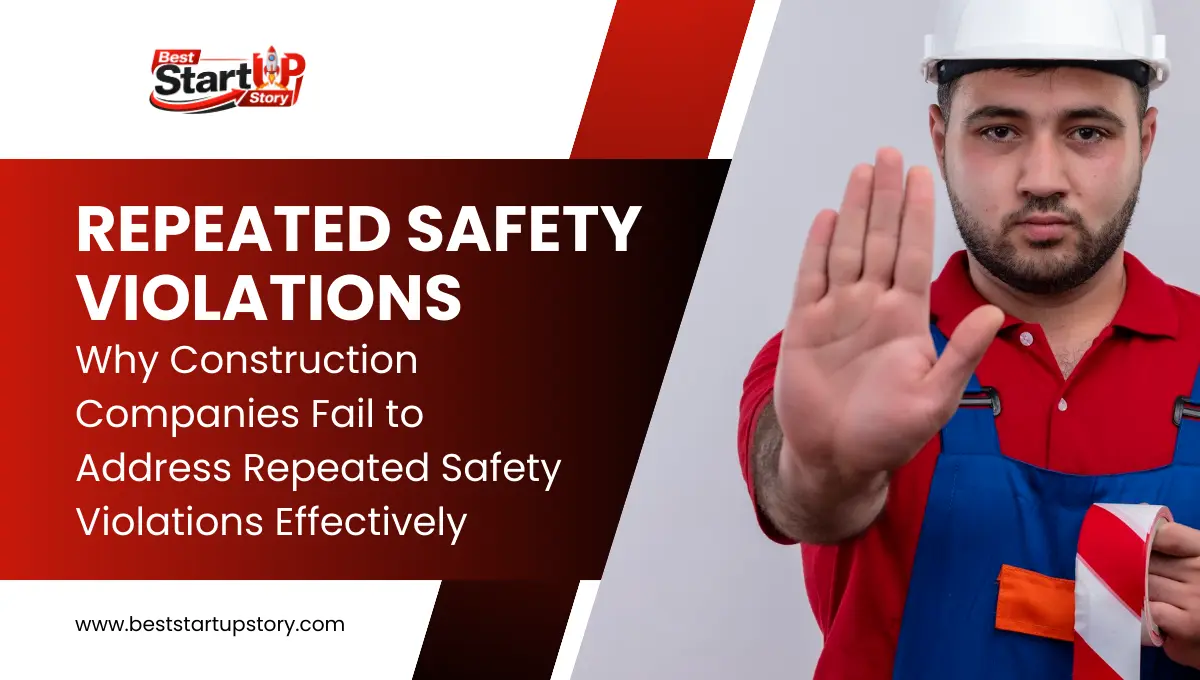
Repeated safety violations are one of the clearest indicators that something deeper is wrong within a construction safety program. When the same issues appear across inspections, audits, or incident reports, it suggests that corrective actions are either ineffective or never fully implemented. Many companies focus on fixing violations just long enough to pass an inspection, only for the same problems to return weeks later. This cycle increases risk, frustrates regulators, and exposes workers to preventable hazards. Addressing repeat violations requires more than surface-level fixes, which is why organizations like Menotti Enterprise emphasize long-term corrective strategies rather than short-term compliance responses.
Repeated violations are rarely caused by a single mistake. They usually reflect gaps in leadership, communication, accountability, or follow-through. Without addressing root causes, corrective actions remain temporary and ineffective.
This article explores why construction companies struggle to resolve repeated safety violations and how these failures impact long-term safety performance.
Treating Violations as Isolated Events
One of the most common reasons repeated violations persist is that companies treat each violation as an isolated incident. Corrective actions focus narrowly on the specific citation rather than the underlying system failure.
For example, replacing missing guardrails without examining why inspections failed to catch the issue does not prevent recurrence. The root cause remains unaddressed.
Isolated fixes create temporary compliance, not lasting improvement.
Short-Term Corrections Driven by Inspections
Many corrective actions are implemented only in response to inspections. Once the immediate pressure is gone, attention shifts back to production priorities.
This reactive approach results in improvements that fade over time. Safety controls loosen, documentation slips, and old habits return.
Sustainable correction requires ongoing commitment, not inspection-driven urgency.
Lack of Root Cause Analysis
Repeated violations often persist because companies do not conduct meaningful root cause analysis. Without understanding why a violation occurred, corrective actions are based on assumptions.
Root causes may include inadequate training, unclear procedures, or inconsistent enforcement. Treating symptoms without identifying causes leads to repetition.
Effective analysis is essential for permanent solutions.
Inconsistent Accountability Across Teams
When accountability is unclear, corrective actions lose effectiveness. Different supervisors may interpret responsibilities differently, leading to uneven enforcement.
If no one is clearly responsible for ensuring corrections remain in place, issues reappear. Accountability must be defined and enforced consistently.
Clear ownership reduces repetition.
Overreliance on Disciplinary Action
Some companies rely heavily on disciplinary action to address violations. While discipline may be necessary, it rarely addresses systemic issues.
Punishing workers without improving procedures, training, or supervision creates resentment and does not prevent recurrence.
Corrective strategies must go beyond discipline to be effective.
Failure to Update Procedures After Violations
Violations often reveal weaknesses in existing procedures. If procedures are not updated after incidents or citations, the same gaps remain.
For example, a repeated lockout violation may indicate unclear procedures or insufficient task-specific guidance.
Updating procedures is critical for preventing recurrence.
Mid-Article Anchor Placement
Construction companies seeking lasting solutions often benefit from structured compliance frameworks and expert guidance. Resources available through https://menottienterprise.com/ support deeper evaluation of repeat violations and help teams implement corrective actions that address root causes rather than surface symptoms.
Poor Communication of Corrective Actions
Corrective actions must be communicated clearly to all affected workers. When communication is limited to supervisors or documentation, implementation suffers.
Workers may not understand what changed or why it matters. This leads to inconsistent application and repeat violations.
Clear communication supports consistent compliance.
Training That Does Not Address Identified Gaps
Training programs are often generic and not updated to address specific violations. As a result, workers repeat the same mistakes.
Effective training targets the behaviors and conditions that caused violations. Without this alignment, training has little impact.
Targeted training reduces recurrence.
Lack of Verification After Corrections
Implementing corrective actions without verification allows violations to return unnoticed. Follow-up inspections and audits are essential.
Verification confirms that controls remain in place and effective. Without it, corrections fade over time.
Follow-through ensures lasting change.
Production Pressure Overrides Safety Fixes
Schedule pressure often undermines corrective actions. Temporary controls may be removed to speed work.
When production consistently overrides safety, violations reappear. Leadership decisions play a major role in this dynamic.
Balanced priorities support compliance.
Repeated Violations Damage Credibility
Regulators track violation history. Repeated issues signal weak management systems and increase scrutiny.
Loss of credibility can result in higher penalties, more inspections, and stricter enforcement.
Preventing repetition protects reputation.
Impact on Worker Morale
Workers notice when the same safety issues are ignored repeatedly. This erodes trust in management.
Low morale reduces reporting and engagement, further increasing risk.
Addressing violations consistently supports morale.
The Financial Cost of Repetition
Repeated violations increase fines, insurance costs, and project delays. These expenses add up over time.
Investing in permanent corrective actions is more cost-effective than repeated penalties.
Prevention protects profitability.
Using Data to Identify Patterns
Violation data provides valuable insight into recurring issues. Analyzing trends helps identify systemic problems.
Without data analysis, patterns remain hidden. Data-driven strategies support targeted improvement.
Information enables prevention.
Integrating Corrections Into Daily Operations
Corrective actions must become part of daily routines. Temporary measures should transition into standard practices.
Integration ensures corrections remain effective even under pressure.
Routine application supports sustainability.
Leadership’s Role in Ending Repetition
Leadership commitment determines whether repeated violations stop. Leaders must prioritize long-term solutions.
Visible support reinforces accountability and consistency.
Leadership sets the standard.
Building a Continuous Improvement Cycle
Preventing repeated violations requires continuous evaluation, correction, and verification.
This cycle strengthens safety systems over time and reduces enforcement risk.
Improvement must be ongoing.
Conclusion
Repeated safety violations signal deeper issues that cannot be resolved through temporary fixes or inspection-driven responses. Treating violations as isolated events, failing to analyze root causes, and lacking follow-through all contribute to recurring problems. By focusing on accountability, communication, training, and verification, construction companies can break the cycle of repetition. With guidance from experienced professionals such as Menotti Enterprise, organizations can implement corrective strategies that lead to lasting compliance, safer job sites, and stronger operational performance.
Also Read: What to Expect on an Unforgettable Dolphin Cruise Adventure