
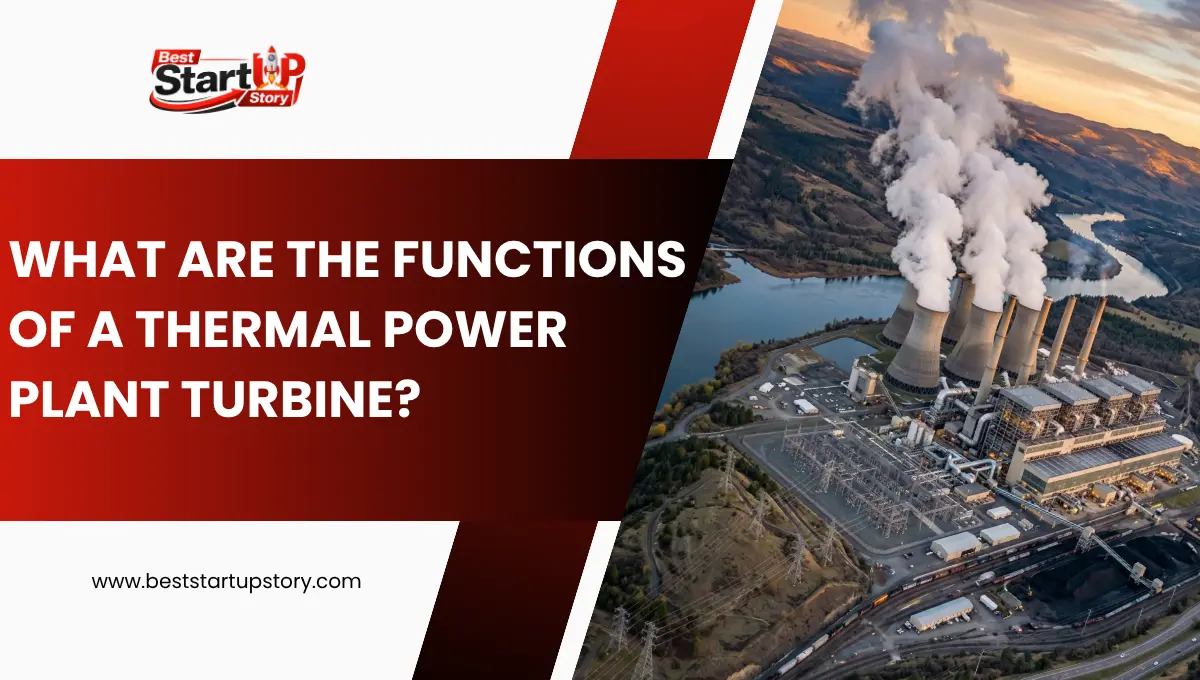
Thermal power plants remain an important part of large-scale electricity generation across many regions. These facilities are designed around a structured setup in which different systems and components operate together to maintain steady power output. This coordinated design supports consistent performance across different operating conditions.
Within a thermal power plant, each element has a defined purpose that contributes to efficiency, reliability, and long-term operation. Some components handle system control, while others are responsible for mechanical motion, including the thermal power plant turbine. Together, these parts ensure the plant operates smoothly and meets energy demands reliably.
Let’s understand the function and significance of a thermal power plant turbine within the power generation framework.
What is a Thermal Power Plant Turbine?
A thermal power plant turbine converts heat energy into mechanical energy. High-pressure steam from the boiler flows over the turbine blades, spinning the rotor. This motion drives the generator to produce electricity.
Turbines are designed to operate reliably under high temperatures and pressure, with blade shapes and stage arrangements optimized for efficient energy transfer. Acting as a bridge between thermal energy and electrical power, the turbine is essential for consistent, efficient electricity generation.
5 Key Functions of a Thermal Power Plant Turbine
Turbines in thermal plants are engineered for precision, durability, and efficiency. Each function contributes to maintaining steady power output while managing high temperatures and pressure conditions. Here are the core roles of a thermal power plant turbine in the energy generation cycle:
1. Converting Thermal Energy into Mechanical Energy
The primary function of a thermal power plant turbine is to convert the kinetic energy of high-pressure steam into rotational mechanical energy. Steam flows through turbine blades, causing the rotor to spin at controlled speeds. This motion forms the foundation for electricity generation and determines overall plant efficiency.
2. Driving the Electrical Generator
Mechanical rotation produced by the turbine shaft is directly transferred to the generator. As the turbine rotates, electromagnetic induction occurs within the generator, producing electrical energy. Without the consistent rotational force provided by a thermal power plant turbine, stable power output would not be possible.
3. Maintaining Energy Conversion Efficiency
Turbines are designed with multiple stages that regulate steam flow and pressure. This staged expansion allows efficient energy extraction while minimizing heat loss. Optimized blade design and steam velocity control help the thermal power plant turbine achieve higher thermal efficiency and reduced fuel consumption.
4. Supporting Load Regulation and Grid Stability
Power demand varies throughout the day, requiring turbines to adjust output levels. Turbine control systems regulate steam intake to match electricity demand. This adaptability allows a thermal power plant turbine to support grid stability and prevent fluctuations in power supply.
5. Withstanding High-pressure and Temperature Conditions
Thermal power plant turbines operate under extreme conditions. Advanced materials and cooling systems enable turbines to handle continuous exposure to high temperatures and pressure. Structural durability ensures a long operational life and reduces maintenance downtime.
Advancing Power Generation with Turbine Excellence
The role of a thermal power plant turbine extends beyond mechanical rotation; it is central to driving innovation, efficiency, and reliability in electricity generation. Advancements in turbine design and materials allow plants to operate safely under extreme conditions while meeting evolving energy demands.
Many industry leaders, such as Triveni Turbines, continue to set benchmarks in precision engineering, helping power plants achieve higher efficiency and longer operational life. Investing in high-quality turbines enhances performance and sustainability, as improved energy conversion reduces fuel consumption and emissions. Understanding the significance of turbines highlights how technological innovation in this component shapes the future of large-scale power generation, ensuring a resilient and dependable electricity supply.