
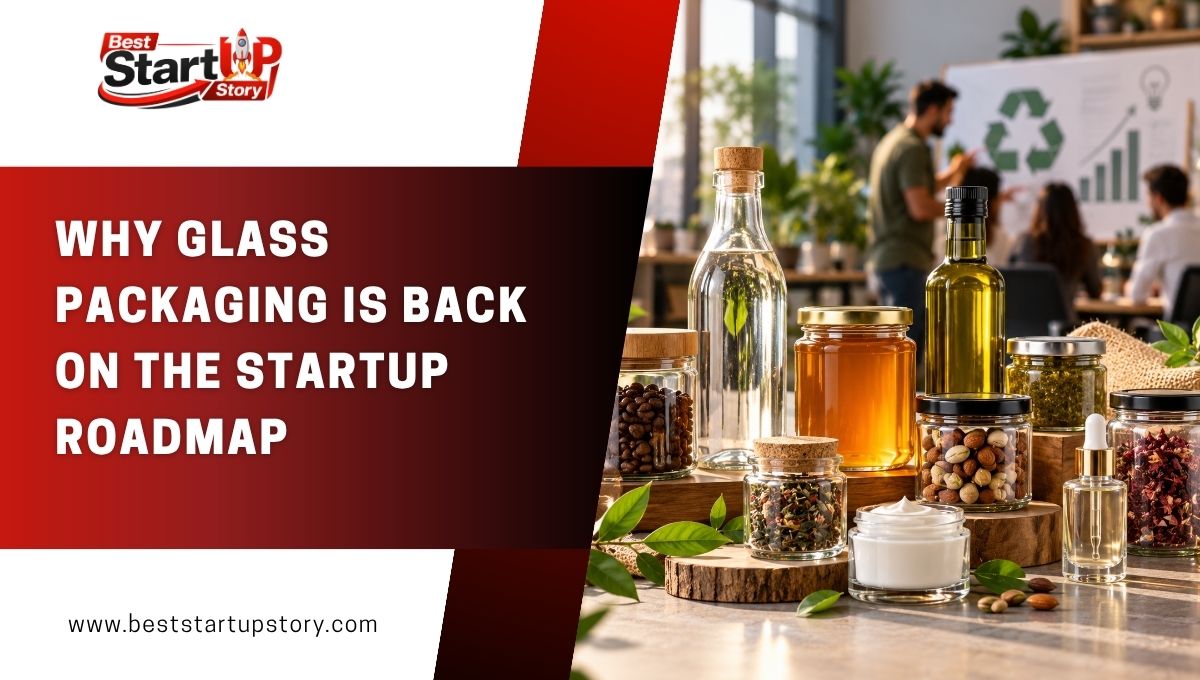
Packaging used to be an afterthought. Today it is a growth lever, a compliance topic, and a brand signal. Across Europe, packaging rules are tightening and retailers ask for clearer proof behind sustainability claims. For founders and product teams, the pack is part of the product.
Instead of chasing one miracle material, teams are building packaging strategies around circularity, transparency, and performance. Below are the shifts worth tracking, plus why glass is increasingly seen as a safe, premium, circular option.
Sustainable packaging trends that are shaping decisions
The most important sustainable packaging trends are not just about swapping plastic for paper. They are about designing systems that can be explained, measured, and repeated.
Transparency and anti greenwashing
Claims like eco-friendly are harder to defend than they used to be. Brands are expected to show evidence, explain end of life routes, and avoid vague language. Packaging teams now ask early questions about certifications, recycling instructions, and what happens in real world collection.
Lightweighting and right sizing
Reducing weight and eliminating empty space can cut transport emissions and costs. But lightweighting must not reduce barrier protection or shelf life. This is pushing innovation in closures, secondary packaging, and smarter pack geometry.
Reuse and refill models
Refill stations, returnable containers, and subscription refills are moving into mainstream retail. The brands that win design packaging for multiple cycles and make the return or refill experience simple.
Labels, inks, and components
A package is more than its main material. Washable labels, water based inks, and compatible closures can improve recycling outcomes by reducing contamination.
For a broader overview, Calaso summarizes key sustainable packaging trends in a way that helps teams compare materials and messaging.
Why glass fits the circular economy narrative
Glass aligns well with the circular economy because it is recyclable and can be reused in deposit and return systems. It is also inert, which makes it a strong choice for products where taste, purity, and stability matter.
Paper based packs can be great for dry goods, but they often need coatings for moisture resistance. Some plastics are lightweight and durable, but they can face trust issues and recycling limits depending on local infrastructure. Glass is heavier, yet it can deliver strong product protection and a premium feel, and it supports high quality recycling when collected properly.
Where Calaso can help
Calaso supplies glass packaging for brands that want a cleaner sustainability story without sacrificing design. If you are evaluating jars and bottles for food, cosmetics, or home goods, their range of glass packaging solutions is a practical place to see formats and options.
- From packaging choice to packaging strategy
The return of any glass is not about just replacing one material with another material. For startups & Businesses, it represents a wider shift toward packaging of the product that can support branding, product protection & safety, sustainability, and long-term growth of the brand.
The strongest and best approach is to look at the whole journey, not just for start instead from the first bottle or jar to the finished product in a customer’s hands. When these things (material choice, design, production, and supply) are considered together, glass can become more than a simple packaging product. It can become part of the brand’s strategy.
- Supply matters as much as design
A great packaging concept is of verty little use if a business unable to get the packaging when it needs it. For startups which growing from small production runs toward larger orders and play its role as, reliable supply and storage can become just as important as the initial design.
Working with a good packaging supplier that can provide technical guidance, stock support, decoration options, and delivery solutions can simplify that process. Instead of managing every part of business separately, growing brands can approach packaging as single connected project.
- The sustainability question goes further
Recycling is very important, but sustainable packaging involves more than what happens after any customer finishes its product. The weight of the container used for that product, the amount of material used, transportation, manufacturing, and supporting components all things matter equally.
That is why lightweight glass can be an best consideration for startups. Reducing unnecessary material while maintaining the glass or any product strength and appearance of the container can help create a more efficient package and reduce cost without losing the qualities that make glass attractive.
The same thinking applies to closures and decoration. A bottle may be recyclable, but the complete packaging system still needs to be considered. Choosing compatible components and keeping the overall design practical can make the sustainability story easier to manage with explanation.
The takeaway
Sustainable packaging is moving from marketing to operations. The winners will be brands that choose materials that match regulation, customer expectations, and circular models. Glass is back on the startup roadmap because it is trusted, explainable, and compatible with reuse and high quality recycling.