The beauty industry is entering a new era of opportunity for entrepreneurs to start their own skincare, haircare and personal care brands. The days of only owning a manufacturing plant being the only way to start a cosmetics business are over, with changing consumer tastes and an increasing demand for niche beauty products.
But converting an idea into a marketable beauty product requires formulation expertise, quality control, packaging and production planning. These requirements are hard for start-up companies with limited technical personnel.
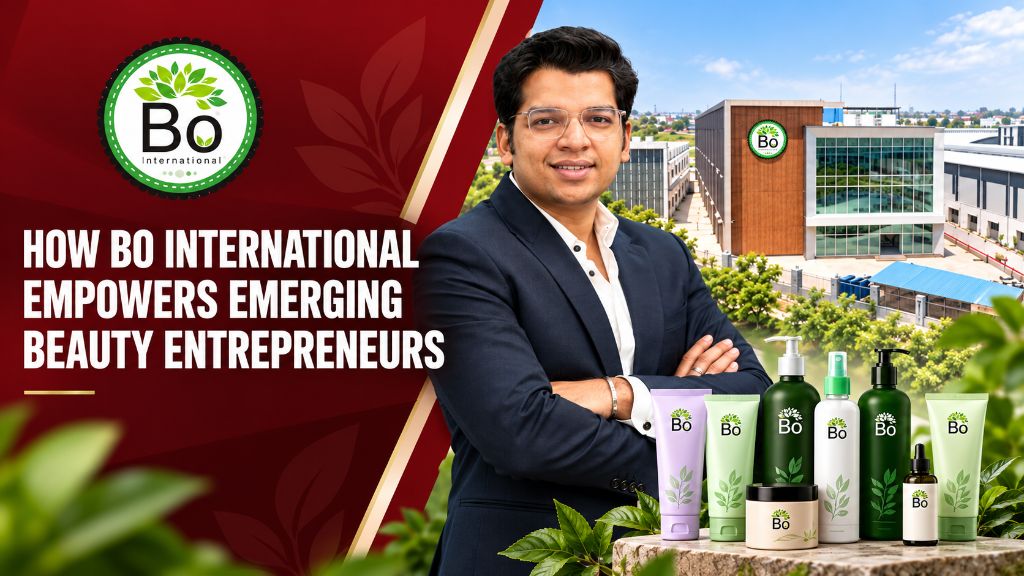
Enter India-based private label and contract cosmetics manufacturer Bo International. The company provides formulation development and manufacturing services to help entrepreneurs bring their beauty ideas to life.
Why More Entrepreneurs Are Entering The Beauty Business
Today’s beauty consumers want products that align with their skincare concerns, lifestyle choices and personal preferences. This enables emerging brands to develop products for niche audiences, rather than competing in traditional beauty categories. Digital marketplaces, social media and direct-to-consumer platforms have also enabled independent brands to reach customers without reliance on traditional retail distribution.
Building a beauty brand is more than a marketing problem. As an entrepreneur, you need to be able to select the right ingredients, develop reliable recipes, understand the rules and regulations and be assured of regular production. For many new companies, building their own manufacturing facility is not an option and working with an experienced cosmetic manufacturer is a good alternative.
Bo International’s Support For Beauty Entrepreneurs
Bo International is a private label cosmetics manufacturer, contract manufacturer and custom formulator based in Gurugram, India. It was founded in 2013. The company’s website says it has a 130,000-square-foot manufacturing facility, more than 250 professionals and customers in more than 50 countries. It offers contract manufacturing services to the skincare, haircare, bath and body, grooming and other personal care categories.
Making Beauty Brand Launches More Accessible
Setting up a cosmetic manufacturing unit requires huge investments in machinery, infrastructure, skilled professionals and production systems. For entrepreneurs who want to create a product under their own label, Bo International offers an alternative with private label manufacturing, enabling you to outsource production activities.
The model enables founders to focus on building their brand, learning about their customers, developing marketing strategies and growing distribution networks. It can also simplify the operational complexity of entering the beauty industry, but entrepreneurs will still need to plan for the development costs, minimum order quantities and inventory investment.
Turning Product Concepts Into Market-Ready Formulations
It takes more than just a pretty package to make a unique beauty product. The final formulation will depend upon the ingredients, texture, fragrance, stability and desired product characteristics.
R&D capabilities of Bo International help entrepreneurs to discover products suited for their business needs. It says it has access to more than 3,000 natural ingredients and over 2,000 fragrance options. The services provided include reformulating existing base formulations and designing custom products. This opens up options for brands to build products that fit their positioning, target customers and development budgets.
Manufacturing Process: How Product Makes From Idea To Store
There are many steps involved in developing a beauty product, from identifying an opportunity to getting the finished products ready for distribution. Bo International is a vertically integrated manufacturer that connects product selection, sampling, production, packaging and shipping.
- Product concept and selection: Entrepreneurs start by identifying their target market and selecting appropriate skincare, haircare or personal care products.
- Formulation and sampling: The formulation team assesses formulation requirements and develops samples for the brand to assess product attributes prior to commercial manufacture.
- Packaging and branding: The brand’s needs and technical feasibility are the basis for discussion on packaging options, labelling, container formats and visual presentation
- Manufacturing and quality checks: Once approved, the formula is put into production, filling, packaging and associated quality control procedures.
- Shipping and delivery: The finished products are shipped as per the agreed logistical and market needs.
This is helping new entrepreneurs to better understand the technical and operational phases of launching their cosmetics businesses.
Enhance product quality and brand credibility
New beauty brands have to earn consumer trust through product quality. Inappropriate formulas, packaging or unproven claims can damage the brand image and the consumer satisfaction.
Bo International says its manufacturing facility is ISO 22716 certified and follows Good Manufacturing Practice procedures. The company states that formulation and production activities include quality checks and stability testing. Depending on the product and project, supporting documentation may include certificates of manufacture, safety data sheets and other relevant records. These practices allow entrepreneurs to achieve more uniformity in their manufacturing processes.
However, certifications and manufacturing documents don’t automatically prove the regulatory compliance of every finished product. Brand owners also have to consider the safety, labelling and legal requirements of the target markets.
Creating Opportunities Beyond Local Markets
The beauty industry is becoming more international, with companies seeking manufacturing partnerships outside of their home countries.
Bo International says it is present in more than 50 countries which means they are part of the international supply chain for cosmetics. Entrepreneurs creating brands for the United States, United Kingdom and United Arab Emirates can explore manufacturing arrangements that link formulation development with production and export coordination.
However, international expansion also presents other considerations such as ingredient restrictions, product safety requirements, labelling requirements, import procedures and supporting documentation. If the development of the product takes into account such aspects, it can avoid complications before its commercial distribution.
For new entrepreneurs, planning for expansion may be a crucial part of it, to partner with a manufacturer who knows the ins and outs of international business.
What Emerging Beauty Founders Should Know Before Reaching Market
Some operational needs can be met through manufacturing partnerships. But to build a successful beauty business, you have to plan with precision. Some of the things entrepreneurs should be thinking about before they get their products out there:
- Identify a specific market opportunity: Discover what consumers want. Create a powerful positioning strategy for your product.
- Choose the right manufacturing model: Private label vs custom formulation – Evaluate by budget, differentiation and development requirements
- Evaluate production costs: Think about the cost of samples, packaging, minimum order quantities, shipping and inventory.
- Prioritize quality and compliance: Review manufacturing processes, product documentation, testing requirements and destination-market regulations.
- Plan for business growth: Listen to consumer input; future product development and distribution opportunities.
These decisions can enable founders to build a better operational foundation before going to market.
The Future of Beauty Entrepreneurship and Manufacturing Partnerships
Changing consumer expectations give emerging beauty businesses the chance to develop specialised formulations, ingredient-led products and differentiated personal care categories. This development can be helped by partnerships with manufacturers, linking entrepreneurs with formulation expertise, manufacturing infrastructure and packaging capabilities.
Companies like Bo International are proof that contract manufacturing is an excellent alternative for independent companies that want to manufacture cosmetics but do not have their own manufacturing facilities.
But successful beauty entrepreneurship is a combination of product quality, customer knowledge, responsible marketing and good business planning.
Conclusion: Building Beauty Brands on a Solid Foundation
A great product idea isn’t enough to launch a beauty brand. The cornerstones of long term business are product development, consistent manufacturing, regulatory awareness and thoughtful market positioning.
Aspiring entrepreneurs can take cues from Bo International’s private label, contract manufacturing and product development capabilities to build their own cosmetic brands. With the beauty industry continuing to evolve, strong business decisions and reliable manufacturing partners will be key foundations for new brands entering the space.