
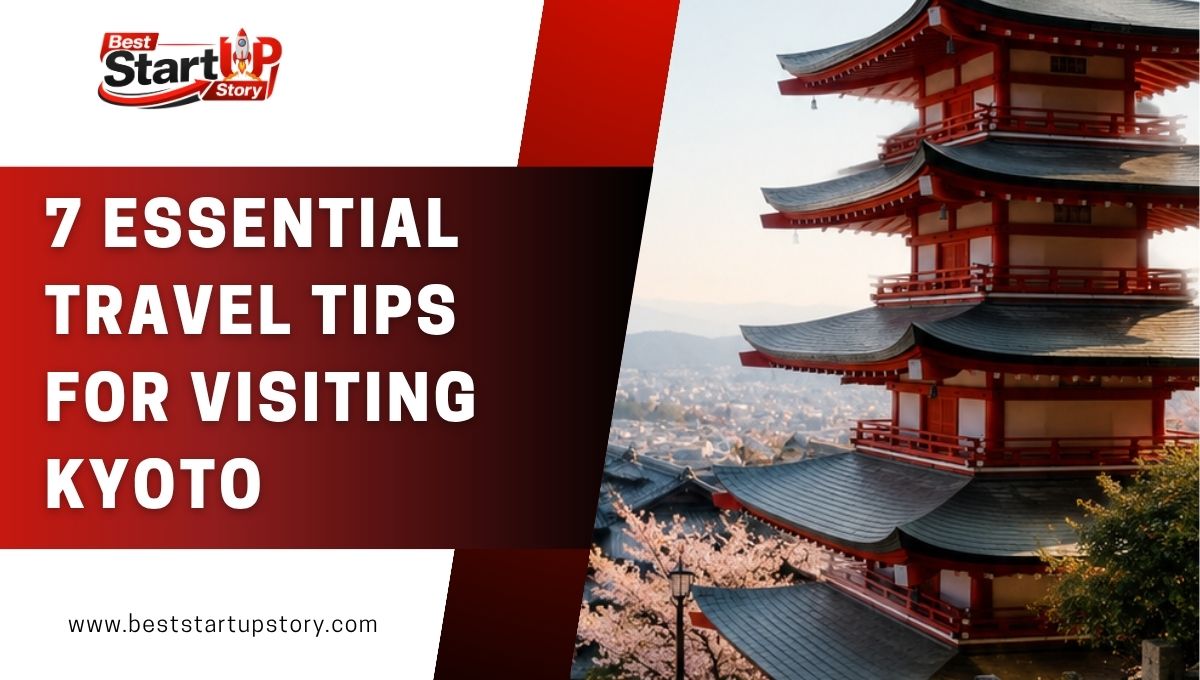
Kyoto packs over 2,000 temples and shrines into a city that’s easy to underestimate on a map. Between the bamboo groves of Arashiyama, the geisha district of Gion, and the golden reflection of Kinkaku-ji, first-time visitors often try to cram too much into too little time. A bit of planning ahead changes the entire experience, turning a rushed checklist into a trip that actually feels manageable.
Book Accommodations Near a Train Line, Not Just Near Attractions
Kyoto’s most famous sights are spread across the city, not clustered in one walkable core like some other Japanese destinations. Staying near a major station or subway line matters more than staying near any single temple. The Karasuma Line and JR Nara Line both connect efficiently to Kyoto Station, which functions as the city’s transportation hub.
Neighborhoods like Kawaramachi and the area around Kyoto Station offer a strong balance of restaurants, convenience stores, and transit access. When comparing Kyoto Accommodations, looking at proximity to a subway or JR line will save far more time over a multi-day stay than shaving a few minutes off the walk to one particular shrine.
Visit the Major Temples Before 8 AM
Fushimi Inari, Kinkaku-ji, and Kiyomizu-dera draw enormous crowds by mid-morning, especially between March and May and again in autumn foliage season from mid-November to early December. Arriving right at opening, or even before staff unlock the gates at Fushimi Inari (which is always open, with no admission fee), means walking through the famous orange torii gates with a fraction of the daytime foot traffic. Photos taken at 7 AM look nothing like the same shot taken at noon.
This same strategy applies to Arashiyama’s bamboo grove, which turns into a crowded corridor by 10 AM during peak season. Early risers also get better service at nearby cafes, since staff aren’t yet managing long lines.
Get an IC Card for Trains and Buses
An ICOCA or Suica card removes the need to calculate exact bus and train fares every time you board. These rechargeable cards work on Kyoto City buses, JR trains, subways, and even at many convenience stores and vending machines. They can be purchased at ticket machines in Kyoto Station and most major stops.
Kyoto’s bus system is extensive but confusing for newcomers, since routes overlap and numbering doesn’t always correspond to a logical geographic pattern. Tapping an IC card in and out avoids the fumbling for coins that slows down boarding and holds up other passengers.
Learn the Etiquette Before You Reach the Shrine Gate
Temples and shrines follow specific customs that aren’t always posted in English. At Shinto shrines, the standard practice at the purification fountain involves rinsing both hands and then the mouth, using the ladle without letting it touch your lips directly. Bowing twice, clapping twice, and bowing once more is the typical sequence for prayer at a shrine’s main hall.
Photography rules vary by site. Some inner halls at temples like Kinkaku-ji prohibit photos entirely, while others allow it everywhere except designated meditation areas. Reading posted signs at each entrance takes a few seconds and prevents an awkward correction from staff.
Eat Where the Locals Eat, Not Just Where the Guidebooks Point
Nishiki Market gets recommended constantly, and it’s worth a visit, but it’s also become dense with tourist foot traffic and stalls priced accordingly. Streets just one block off the main market corridor often have small family-run shokudo serving set lunches for 900 to 1,200 yen, with far shorter waits.
Kyoto is also known for yudofu, a simple boiled tofu dish tied to the city’s Buddhist temple cuisine tradition. Restaurants near Nanzen-ji specialize in this dish, and many pair it with a set menu that includes rice, pickles, and a small grilled item. It’s a lighter, distinctly regional alternative to the ramen and gyoza found throughout the rest of Japan.
Reserve Tickets for Popular Sites in Advance
Some of Kyoto’s most photographed spots now require reservations or timed tickets, a shift from just a few years ago. Kinkaku-ji doesn’t require advance booking, but the bamboo grove area near Tenryu-ji and certain special exhibitions at temples do sell out during peak weeks. Nijo Castle requires a separate ticket for entry into Ninomaru Palace, and lines for same-day tickets can stretch long during cherry blossom season.
Checking each site’s official page a few weeks ahead avoids the disappointment of arriving to a sold-out time slot. This is especially true from late March through early April, when cherry blossom timing draws visitors from across the country.
Pack for Temperature Swings and a Lot of Walking
Kyoto sits in a basin, which makes summers notably humid and winters colder than many visitors expect from central Japan. July and August routinely bring temperatures above 33°C with high humidity, while January can dip below freezing overnight. A single day of temple-hopping easily adds up to 15,000 or more steps, given the distances between major sites and the size of the grounds themselves.
Comfortable, broken-in shoes matter more here than in cities built around a single walkable center. Removing shoes is also required at many temple interiors, so slip-on footwear makes the constant on-and-off far more practical than boots with laces.
Kyoto rewards visitors who slow down and plan around its rhythms rather than trying to see everything on one exhausting itinerary. Picking a few key sights, visiting them early, and leaving room for wrong turns down side streets tends to produce better memories than a packed schedule ever does.