
You wake up to the unmistakable gurgle of water in your basement and the heavy silence of a failed sump pump. The fear of flooding and costly repairs looms, especially when it’s past midnight and most service providers are unavailable. Homeowners often discover too late that a single point of failure in their basement waterproofing plan can leave them scrambling for emergency help. The right combination of basement waterproofing systems addresses these risks before disaster strikes, preventing the need for frantic late-night calls and expensive water damage repairs. By understanding and applying a layered approach to waterproofing and sump pump backup, you can greatly reduce the chances of overnight sump pump failure and keep your basement dry around the clock.
Recognizing Early Warning Signs of Primary Sump Pump Failure
Catching problems with your sump pump before they lead to a flooded basement starts with spotting early warning signs. Many homeowners notice subtle cues, like the pump running loudly, cycling on and off repeatedly, or failing to start when the water level rises. These symptoms often signal worn-out float switches, jammed impellers, or electrical issues that could cause a sudden sump pump failure. Physical inspection of the discharge pipe for blockages and testing the pump by pouring water into the pit every few months can reveal potential problems before they escalate.
Understanding the role of a sump pump in basement waterproofing is key to preventing water damage. A well-maintained sump pump removes excess groundwater that collects around your foundation, but its effectiveness depends on timely maintenance and prompt attention to warning signs. Consulting resources about sump pump troubleshooting and maintenance helps homeowners identify issues before they become emergencies.
If a sump pump fails unexpectedly and water starts pooling, many people turn to a 24-Hour Emergency Plumber for urgent help. This type of service can address immediate water removal, but the goal is to prevent such a situation altogether by addressing problems before they require emergency intervention. A proactive approach saves time, money, and stress in the long run.
Installing Battery Backup Sump Pump Systems for Overnight Protection
Power outages are a leading cause of sump pump failure during storms, especially at night when monitoring is limited. Installing a battery backup sump pump system provides an automatic secondary layer of defense. These backup units activate when the primary pump loses power or malfunctions, continuing to remove water from the sump pit without interruption. A high-capacity battery backup can operate for several hours, covering critical overnight periods when utility power is most likely to fail.
The installation of a battery backup system typically involves mounting a secondary pump in the same pit and connecting it to a sealed battery unit. Homeowners should periodically test the battery’s charge and replace it according to manufacturer guidelines to ensure reliability. Choosing a system with an audible alarm or smartphone alerts can also notify you immediately if the backup pump activates.
Comparing different types of backup sump pumps reveals key features such as battery life, pumping capacity, and maintenance requirements. Investing in a robust battery backup system is one of the most effective steps for keeping your basement dry while you sleep, preventing the surprise of waking up to water damage.
Integrating Smart Water Alarms and Automatic Shutoff Valves
Smart water alarms and automatic shutoff valves have become essential additions to modern basement waterproofing strategies. These devices detect rising water levels or leaks in real time and send alerts directly to your phone. Early notification allows homeowners to address issues before they escalate, reducing the risk of extensive water damage caused by sump pump failure basement waterproofing systems may not completely prevent on their own.
Automatic shutoff valves can be installed on the main water line or near vulnerable appliances, such as water heaters and washing machines. When a leak is detected, the valve automatically closes, stopping the flow of water and limiting further damage. Integration with home automation platforms enables remote monitoring and control, giving homeowners peace of mind even when they’re away from home.
Pairing smart alarms with battery backup sump pumps creates a comprehensive solution. Once an alert is triggered, you can assess the situation and take action before calling a plumber, minimizing both disruption and repair costs. This technology-driven approach strengthens the overall waterproofing plan and addresses gaps that traditional systems may leave exposed.
Maintaining Interior French Drains and Gravity Discharge Lines
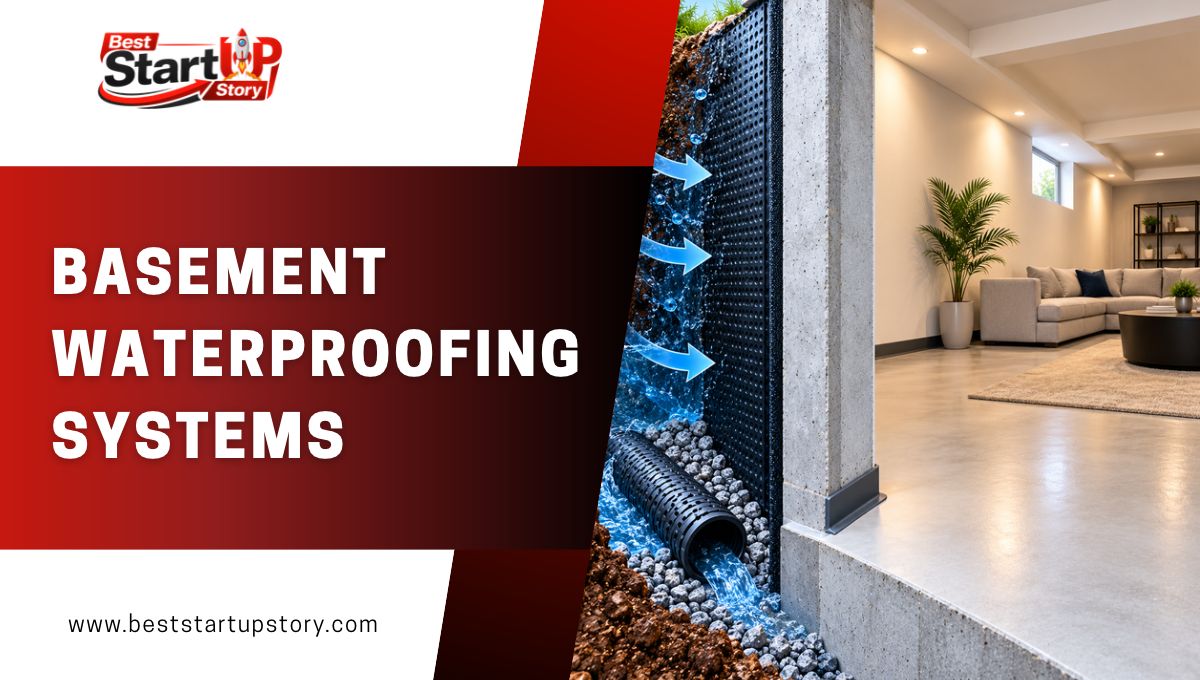
Interior French drains and gravity discharge lines form the backbone of many basement waterproofing systems. A French drain is a shallow trench lined with gravel and a perforated pipe, designed to collect water from the basement perimeter and channel it toward the sump pit. Gravity discharge lines carry water safely away from your home’s foundation, reducing the load on your sump pump and decreasing the likelihood of pump failure.
Regular inspection and cleaning of these systems are critical for long-term effectiveness. Debris, silt, or root intrusion can obstruct drains, causing backups and reducing the capacity of the waterproofing system. Homeowners should look for signs of slow drainage or water pooling near the foundation, which often indicate a blockage in the French drain or discharge line.
Keeping gravity discharge lines clear and extending them away from the house prevents water from cycling back toward the foundation. This passive drainage solution acts as an important safety net, especially if a sump pump stops working during a storm. With proper upkeep, French drains and gravity systems provide reliable, low-maintenance protection against basement flooding.
Conclusion
Building a reliable basement waterproofing system means layering safeguards: monitoring for early warning signs, installing a battery backup sump pump, integrating smart alarms, and maintaining passive drainage. Start by evaluating your current setup for weaknesses—then address each gap before you find yourself searching for emergency help in the middle of the night.