A patient can seem perfectly fine during a routine appointment. Blood pressure looks acceptable. Weight has barely changed. No major complaints. Then, six months later, a pattern becomes obvious: sleep has slipped, activity has dropped, blood sugar has crept upward, and medication refills have become inconsistent.
That gap is where preventive healthcare often struggles.
Clinicians are trained to notice early warning signs, but they can’t watch every small shift across every patient, every day. No one can. There are too many records, too many messages, too many lab results, and far too many “just checking in” notes hiding something important.
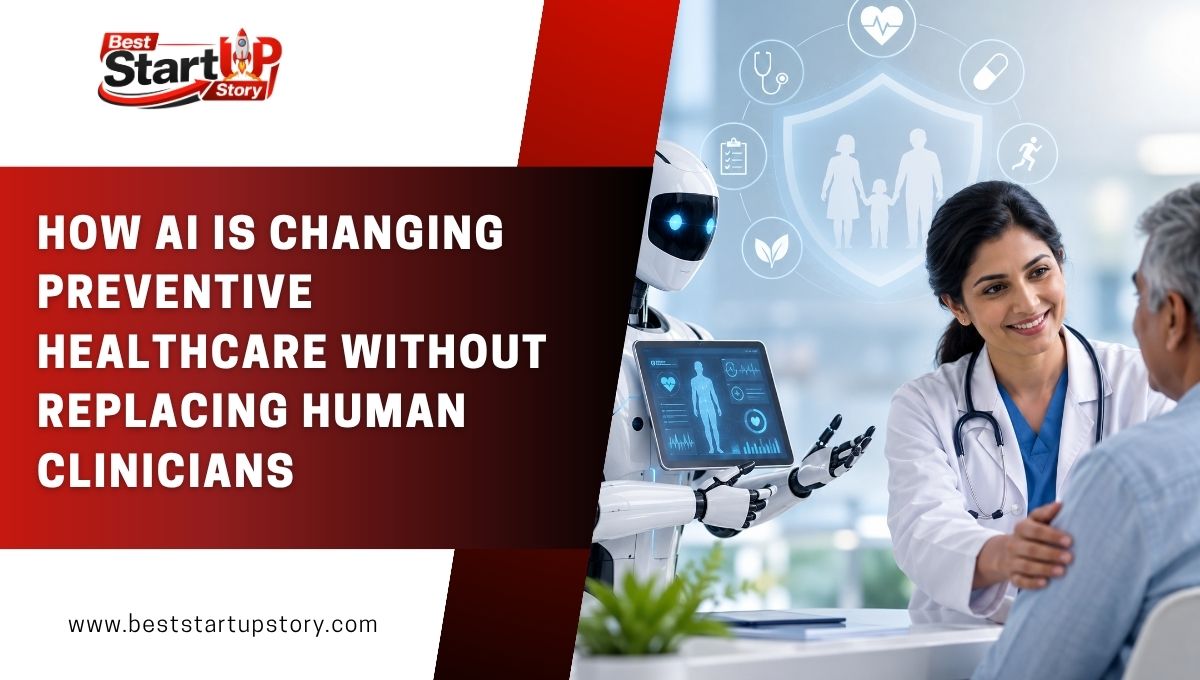
AI can help with that. Not in a dramatic, robot-doctor way. More like a sharp assistant that notices the quiet details before they become loud problems.
AI Can Spot Patterns Humans Might Miss
Preventive care works best when it catches risk early. Not when symptoms have already taken over. That sounds obvious, but in real clinics, early signs often sit in separate places. A lab result here. A wearable alert there. A missed follow-up. A new prescription. A vague note about fatigue.
On their own, these details may not look urgent. Together, they may tell a different story.
AI tools can scan large amounts of health data and flag patterns that deserve attention. A patient’s blood pressure may be rising slowly over several visits. Someone recovering from surgery may show a sudden drop in movement. An older adult may start missing appointments after years of steady attendance.
None of those signals should trigger panic. Bodies are weird. Life gets messy. But they should trigger a closer look.
That is the real value. AI can point to the smoke. A clinician still has to decide whether there is fire.
Risk Scores Should Start Conversations, Not End Them
Risk prediction is one of the strongest uses for AI in preventive healthcare. Instead of relying only on age, family history, or a single test result, AI can combine many details to estimate a person’s chance of developing certain conditions.
This can help with heart disease, diabetes, cognitive decline, cancer screening, and fall prevention. It can also help care teams decide who needs follow-up sooner and who may be fine with routine monitoring.
Still, a risk score is not a verdict. It’s not a fortune cookie with a lab coat.
A patient might have a higher risk on paper but strong support at home, good mobility, and the motivation to change habits. Another person may have a lower calculated risk but face food insecurity, loneliness, poor sleep, or no reliable transport to appointments. The numbers matter, but they don’t tell the whole story.
Clinicians bring the missing context. They know when to push, when to pause, and when a patient needs a plan that feels doable instead of perfect.
Less Admin, More Actual Care
Preventive healthcare depends on the unglamorous stuff. Reminders. Referrals. Screening schedules. Follow-up notes. Medication reviews. Patient education. The work matters, but it can swallow hours.
This is where AI can be genuinely useful. It can summarize patient histories, flag overdue screenings, draft routine notes, and help teams prepare for appointments before the patient walks in.
When connected properly with practice management software, AI-supported tools can help clinics organize preventive reminders, care gaps, and follow-up workflows without forcing staff to juggle another dozen windows. That part matters. A tool that adds clicks is not innovation. It’s just a shiny nuisance.
Good technology should reduce friction. Quietly. The clinician should have more room to listen, not less.
Prevention Has to Fit Real Life
Most people already know the basics. Eat more whole foods. Move more. Sleep better. Manage stress. Take medications as prescribed. Simple advice, right?
Not always.
A night-shift worker may struggle with sleep advice built for a nine-to-five schedule. A parent caring for two young children may not have time for elaborate meal planning. A patient with chronic pain may hear “exercise more” and think, “With what energy?”
AI can help tailor preventive advice by looking at patterns across a patient’s health history, routines, risks, and previous responses to care. That can lead to better suggestions. More specific ones.
For example, an older adult receiving aged care in home support in regional Australia may need a prevention plan that works around caregiver visits, mobility limits, transport challenges, medication routines, and access to local services. A generic wellness checklist won’t cut it there. The plan has to fit the person’s actual day.
AI may help identify the risks. Human care teams make the advice livable.
Wearables Are Useful, But They Need Interpretation
Wearables have made health tracking feel normal. Step counts. Heart rate. Sleep scores. Rhythm alerts. Oxygen levels. For some patients, these tools open useful conversations about fitness, recovery, stress, or heart health.
They can also create anxiety.
A strange reading at 2:00 a.m. can send someone straight into a search spiral. A normal-looking dashboard can make another person ignore symptoms that deserve attention. Neither outcome helps.
AI can sort through wearable data and look for meaningful patterns instead of reacting to every tiny spike or dip. That could make device data more useful in preventive care, especially when clinicians need to understand what is changing between appointments.
But a watch is not a doctor. A dashboard is not a diagnosis. Devices can inform care, but they should not drive it alone.
Trust Still Runs the Room
Preventive care depends on honesty. Patients need to talk about sleep, diet, alcohol, stress, pain, medication habits, loneliness, money worries, and fears about aging. Some of that is uncomfortable. Some of it is deeply personal.
If AI tools enter that space, they need clear rules.
Patients should know when AI supports clinical decisions. They should understand how their data may be used. Clinicians should also be able to question the tool, especially when a recommendation seems odd or does not match the patient sitting in front of them.
Bias is a real concern. AI learns from existing data, and healthcare data often reflects existing gaps. If a model performs better for one group than another, preventive care could become less fair, not more.
That cannot be brushed aside as a technical issue. It is a care issue.
The Clinician’s Role Becomes More Important
AI will likely make preventive healthcare faster, sharper, and more proactive. It can catch patterns earlier. It can reduce repetitive admin. It can help personalize care plans. That is all useful.
But the human role does not shrink. It changes shape.
Clinicians will need to ask better questions, challenge questionable outputs, explain risk clearly, and help patients choose realistic next steps. They will still need empathy, judgment, cultural awareness, and the ability to sit with uncertainty. Especially uncertainty.
Because medicine is not just pattern recognition. It is also listening to the patient who says, “Something feels off,” even when the numbers look fine.
AI can support preventive healthcare in powerful ways, but it works best when it stays in its lane: helping clinicians care for people earlier, more clearly, and with better information in front of them.