
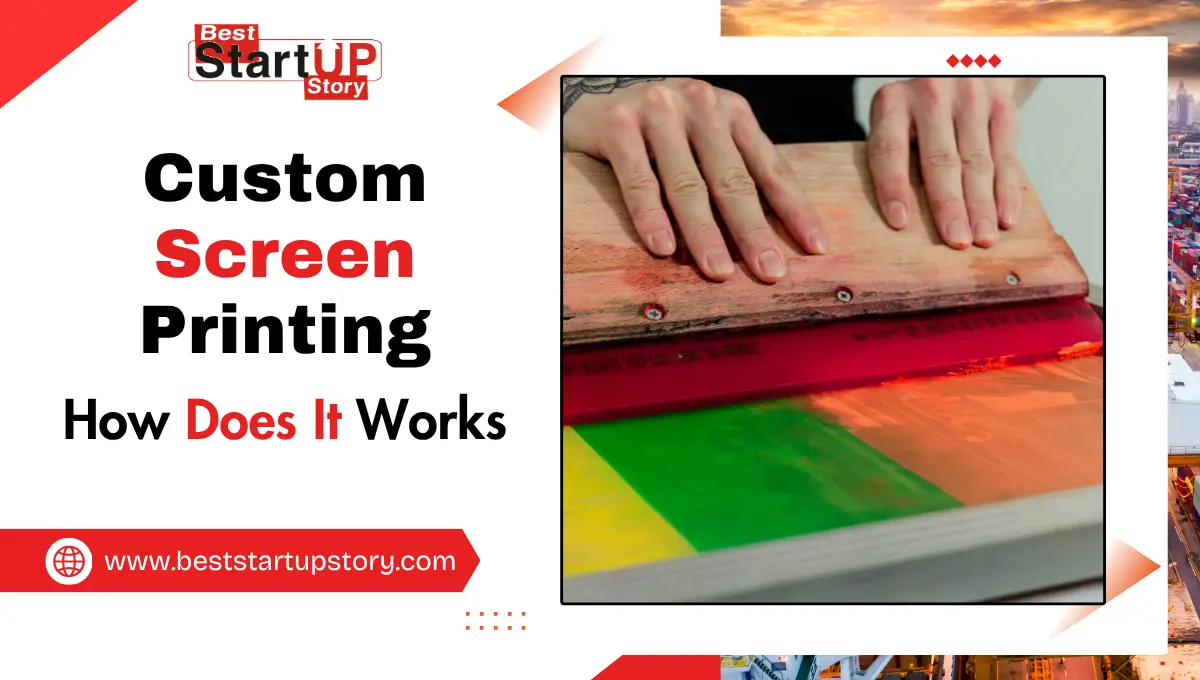
Custom screen printing is a timeless and highly trusted method for creating bold, durable designs on apparel, accessories, and promotional products. Whether you’re outfitting a sports team, launching a clothing line, or preparing shirts for a major event, screen printing offers unmatched vibrancy and longevity. Many businesses and organizations turn to professional print shops such as those found at resources like shopstrange ensure their designs look sharp and withstand repeated wear and washing. Understanding how the process works makes it easier to choose the right materials, place accurate orders, and get the best value for your project.
5 Easy Steps for Custom Screen Printing
1. Developing and Preparing the Artwork
The first step in custom screen printing is creating or providing the artwork. Designs should be high-resolution and clearly defined, especially since the screen-printing process favours bold shapes, clean lines, and strong color contrasts. Complex designs can still be printed, but they will require additional screens, which can increase both setup time and cost.
Graphic designers often separate artwork into layers: one layer for each color. These color separations ensure that every ink is applied accurately and that the final print looks crisp and cohesive.
2. Coating, Exposing, and Creating the Screen
Screen creation is the foundation of the entire printing process. Each screen acts like a stencil for one specific color in the design.
Here’s how a screen is made:
- The mesh screen is evenly coated with a light-sensitive emulsion.
- Once dried, the artwork (printed on transparent film) is placed on top of the screen.
- The screen is exposed to a controlled light source. The light hardens the emulsion everywhere except where the artwork prevents exposure.
- After exposure, the screen is rinsed with water, washing away the unhardened emulsion.
- What remains is an open design area where ink can pass through during printing.
Creating precise screens is critical, as even small misalignments can affect the clarity and quality of the print.
3. Setting Up the Press for Printing
With screens ready, the next step is press-setup. Screen-printing presses can be manual operated by hand or automatic, which are ideal for high-volume orders.
Each screen is inserted into the press and aligned perfectly in a process called registration. Proper registration ensures every color lines up exactly with the others, especially in multi-color designs. The garment is then placed on a flat platen that keeps it secure and prevents shifting during printing.
4. Applying Ink with Professional Technique
Ink application is both an art and a science. Screen printers use a thick, durable ink formulated specifically for textiles. The ink is poured at the top of the screen, and a squeegee is used to pull or push the ink across the mesh.
This step requires:
- Even squeegee pressure
- The right angle and speed
- Consistent ink flow
- Correct curing temperature considerations
Each color is printed separately, so the garment cycles through different screens until the design is complete.
5. Curing the Ink for Long-Lasting Durability
After all the colors have been applied, the garment must be cured. This is typically done using a conveyor dryer that exposes the shirt to high, controlled heat. Proper curing is vital; the heat bonds the ink to the fibers of the fabric, making the print durable and resistant to cracking, fading, or peeling.
Ink that isn’t cured correctly may wash out prematurely or feel sticky to the touch, so professional print shops pay close attention to drying time and temperature.
6. Final Inspection, Finishing, and Packaging
Quality control is the final step in the process. Each garment is inspected for misprints, uneven ink coverage, color alignment, and overall consistency. Once approved, items may be folded, bagged, or boxed depending on the customer’s needs.
Print shops often provide additional finishing services such as:
- Tag removal and relabelling
- Individual bagging
- Size sorting
- Custom packaging
These finishing touches give the final product a polished, professional look.
Why Custom Screen Printing Remains a Top Choice
Screen printing has remained the industry standard for decades thanks to benefits such as:
- Exceptional durability
- Bright, opaque colors that really pop
- Cost-effectiveness for large quantities
- Compatibility with many fabrics, especially cotton
- A high-quality finish perfect for retail or promotional use
Whether creating merchandise for a brand or uniforms for a team, screen printing delivers consistent, long-lasting results.
Custom screen-printing blends craftsmanship, advanced equipment, and time-tested techniques to produce professional-quality prints. From developing the artwork to curing the final design, each step plays a crucial role in delivering apparel that looks great and lasts for years. By understanding the process, customers can better appreciate the value and detail that go into every printed piece.
Also Read: MG7 Price in UAE – Redefining Sports Luxury Sedans