
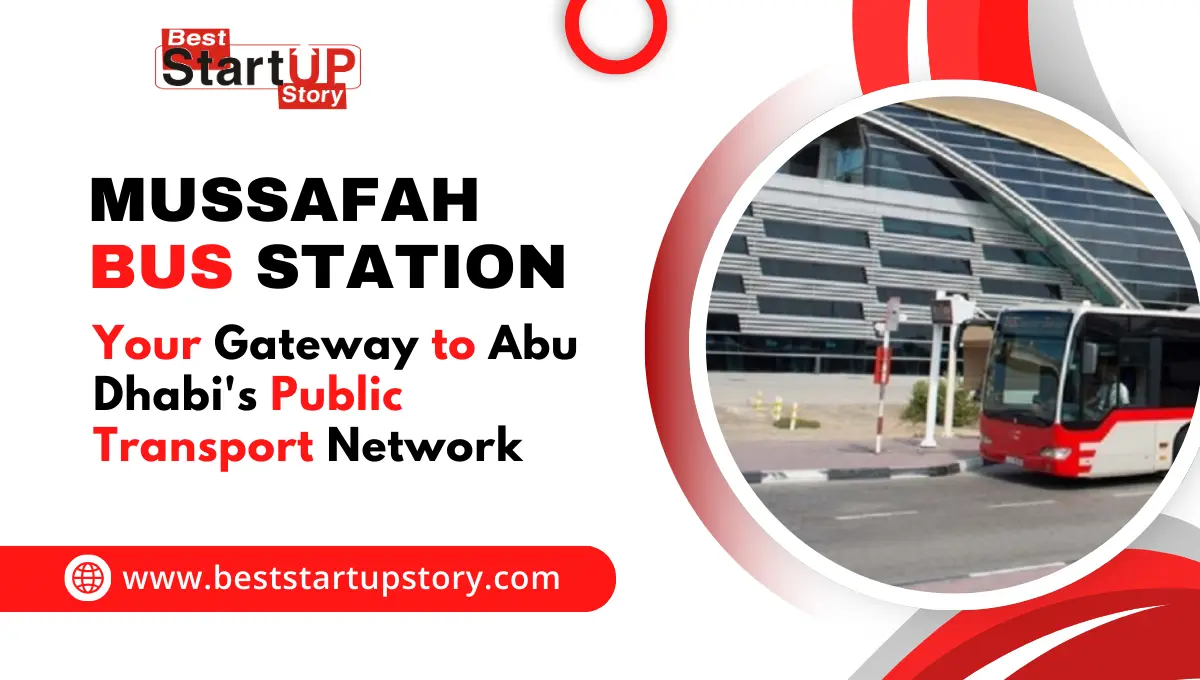
Mussafah bus station serves as a vital transportation hub in Abu Dhabi’s industrial heartland, connecting thousands of workers and residents daily to destinations across the UAE.
Located in the Mussafah Industrial Area, one of Abu Dhabi’s largest commercial and residential zones, this station operates as a central terminal for intercity buses traveling to Dubai, Sharjah, Al Ain, and various Abu Dhabi neighborhoods.
The facility provides essential services including ticket counters operated by Abu Dhabi Department of Transport, air-conditioned waiting areas, prayer facilities, and multiple route options serving the massive workforce employed in Mussafah’s industrial sectors.
Whether you’re a daily commuter navigating between emirates, a resident of Shabiya or surrounding areas, or a budget traveler seeking affordable transport options, understanding this station’s routes, timings, and facilities makes your journey across the UAE significantly more convenient and cost-effective.
Understanding Mussafah’s Strategic Location
Mussafah sits southwest of Abu Dhabi city center, comprising one of the largest industrial areas in the UAE. The industrial zone employs tens of thousands of workers in manufacturing, logistics, warehousing, and construction.
The bus station’s placement within this area isn’t random. It serves the massive residential communities built specifically for workers, including Shabiya, one of the region’s largest labor accommodations.
Access from Abu Dhabi city takes about 20-30 minutes depending on traffic. The station sits along major roads connecting to the highway network, making it accessible from multiple directions.
For workers living in Mussafah and commuting to Dubai or other emirates, this station eliminates the need to travel into Abu Dhabi city center first. Direct routes save considerable time and money.
As transport hubs like Mussafah Bus Station continue to strengthen Abu Dhabi’s public transit network, keeping up with local developments is essential. DubaiWeeklys focuses on UAE-based transport and infrastructure updates, offering readers insight into how public mobility is evolving.
Routes Operating From Mussafah Station
Dubai Connections
The most popular routes connect Mussafah to various Dubai locations. These buses serve the massive number of workers commuting between the emirates daily.
Routes to Satwa, Al Ghubaiba, and Deira operate frequently throughout the day. These areas host businesses employing many workers living in Mussafah.
Services to Jebel Ali and Dubai Industrial areas cater specifically to workers employed in those zones. The timing often aligns with shift changes at factories and warehouses.
Some routes extend to International City and Dubai Silicon Oasis, serving the residential communities there where many Mussafah workers have families or second jobs.
Within Abu Dhabi
Internal Abu Dhabi routes connect Mussafah to the city center, Marina Mall area, and other key destinations within the emirate.
Buses to Abu Dhabi Central Bus Station provide connections for passengers needing to transfer to other routes across the emirate.
Routes serve residential areas like Mohammed Bin Zayed City, Khalifa City, and other neighborhoods where workers might live or have errands.
Sharjah and Northern Emirates
Direct services to Sharjah operate regularly, though less frequently than Dubai routes. These connect to areas like Industrial Area and residential zones.
Some routes extend further to Ajman, serving workers with connections or employment in the northern emirates.
The frequency varies significantly based on demand, with peak times seeing more departures.
Facilities at Mussafah Bus Station
Basic Infrastructure
Air-conditioned waiting halls provide relief from Abu Dhabi’s intense heat, particularly important during summer months when temperatures exceed 45°C.
Seating areas accommodate passengers, though during peak hours these fill quickly. Arriving early for popular routes ensures you get a seat while waiting.
Restroom facilities are available, maintained by station staff. Cleanliness standards vary throughout the day depending on usage and cleaning schedules.
Prayer rooms serve Muslim passengers needing to observe daily prayers. These are separated by gender following Islamic customs.
Ticketing Services
Ticket counters operated by Abu Dhabi Department of Transport handle ticket sales and Hafilat card services. The Hafilat card is Abu Dhabi’s rechargeable smart card for public transport.
Multiple counters operate during peak hours to handle the high volume of passengers. Lines can still be long during morning and evening rush periods.
Information is available in Arabic, English, and Hindi, reflecting the diverse passenger population. Staff generally speak multiple languages to assist various nationalities.
Automated machines for Hafilat card recharging are installed, accepting cash and some card payments. These reduce waiting times at counters for simple recharge transactions.
Additional Amenities
Small shops and kiosks sell snacks, drinks, phone cards, and basic necessities. Prices are reasonable compared to convenience stores in residential areas.
Mobile phone charging stations exist in some waiting areas, useful for passengers with long journeys ahead.
Taxi stands outside the station provide alternative transport for those needing door-to-door service or traveling outside bus operating hours.
Parking areas allow people to drive to the station and catch buses, though space is limited and fills during peak times.
Understanding Bus Schedules and Timing
Peak Hour Operations
Morning rush from 5:30 AM to 8:30 AM sees maximum frequency, particularly for Dubai-bound buses. Workers heading to early shifts depend on these services.
Buses to Dubai during peak hours depart every 15-20 minutes on popular routes. Less popular routes might run every 30-40 minutes.
Evening return services from 5:00 PM to 8:00 PM are equally busy. These buses often run completely full, requiring passengers to queue early.
Off-Peak Service
Midday services continue but with reduced frequency. Buses typically run every 30-60 minutes depending on the route.
Late evening services taper off significantly. The last buses usually depart around 10:00-11:00 PM, varying by destination.
Night services are extremely limited or non-existent on most routes. Workers on night shifts often arrange private transport or company buses.
Weekend Schedules
Friday and Saturday see reduced service on most routes. Many workers have these days off, decreasing demand.
Some routes maintain regular schedules while others reduce frequency by 30-50%. Checking specific route schedules before traveling on weekends prevents long waits.
Cost and Payment Information
Ticket Pricing Structure
Fares from Mussafah bus station to Dubai typically range from 20-25 AED depending on the specific destination within Dubai. Routes to Al Ghubaiba or Satwa fall in this range.
Shorter trips within Abu Dhabi cost 3-7 AED based on distance. Routes to Abu Dhabi city center are at the lower end of this scale.
Sharjah routes cost around 25-30 AED, slightly more than Dubai due to the additional distance involved.
The Hafilat Card Advantage
The Hafilat card offers discounted fares compared to cash tickets. Regular commuters save significantly over weekly and monthly usage.
The card requires an initial purchase of around 5-10 AED, then can be loaded with credit. Minimum top-up amounts typically start at 10 AED.
Using the Hafilat card also speeds up boarding as you simply tap rather than handling cash transactions with drivers.
The card works across Abu Dhabi’s entire public transport network, including city buses if you’re traveling beyond the intercity routes.
Payment Methods
Cash is widely accepted for single journey tickets. Having exact or close-to-exact change helps speed transactions and ensures you get proper change.
Credit and debit cards are accepted at counters for Hafilat card purchases and recharges, though not all machines accept cards yet.
Monthly passes for specific routes provide unlimited travel and work out cheapest for daily commuters using the same route consistently.
Tips for Using Mussafah Bus Station Effectively
Arriving Early Matters
Peak hour buses fill completely. Arriving 20-30 minutes before your intended departure gives you better chances of boarding your preferred bus.
During shift change times, particularly early morning, competition for seats is intense. Workers rushing to reach jobs on time pack buses quickly.
Know Your Route Number
Bus route numbers are displayed prominently. Knowing your specific route number prevents confusion when multiple buses arrive simultaneously.
Ask fellow passengers or station staff if uncertain. Most regular commuters know the routes well and help newcomers navigate the system.
Looking beyond routes and stations, DubaiUnfolded covers city infrastructure and mobility stories from a local perspective, helping readers understand the changes shaping everyday travel across the UAE.
Managing Comfort on Long Journeys
Buses to Dubai can take 90-120 minutes during heavy traffic. Bring water and snacks for the journey, particularly during summer.
Use restrooms before boarding as most intercity buses don’t make stops until reaching the destination.
Dress modestly and comfortably. Air conditioning on buses varies, so having a light layer helps if the AC is too cold.
Language and Communication
While announcements happen in Arabic and sometimes English, not all drivers speak English fluently. Having your destination written clearly helps communication.
Fellow passengers are often helpful. The diverse workforce means someone usually speaks your language and can assist.
Frequently Asked Questions About Mussafah Bus Station
Is there a direct bus from Mussafah to Dubai?
Yes, there are direct buses from Mussafah bus station to various Dubai locations including Al Ghubaiba, Satwa, Deira, and Jebel Ali. These intercity services operate frequently during peak hours (every 15-20 minutes) and less frequently during off-peak times without requiring transfers.
What time does the first bus leave Mussafah for Dubai?
The first buses from Mussafah bus station to Dubai typically depart around 5:30-6:00 AM to serve workers with early morning shifts. Peak service runs from 6:00 AM to 8:30 AM with maximum frequency for commuters heading to Dubai employment.
Can I use Nol card at Mussafah bus station?
No, Dubai’s Nol card does not work at Mussafah bus station or on Abu Dhabi buses. Abu Dhabi operates a separate system using the Hafilat card. You must purchase a Hafilat card or pay cash for Abu Dhabi public transport services.
What facilities are available at Mussafah bus station?
Facilities include air-conditioned waiting areas, restrooms, prayer rooms, ticket counters, Hafilat card recharge machines, small shops selling snacks and drinks, mobile charging points, taxi stands, and limited parking. Staff provide assistance in multiple languages including Arabic, English, and Hindi.
Also Read: Is It Safe to Drive With Dashboard Warning Lights On in Sharjah Traffic?