
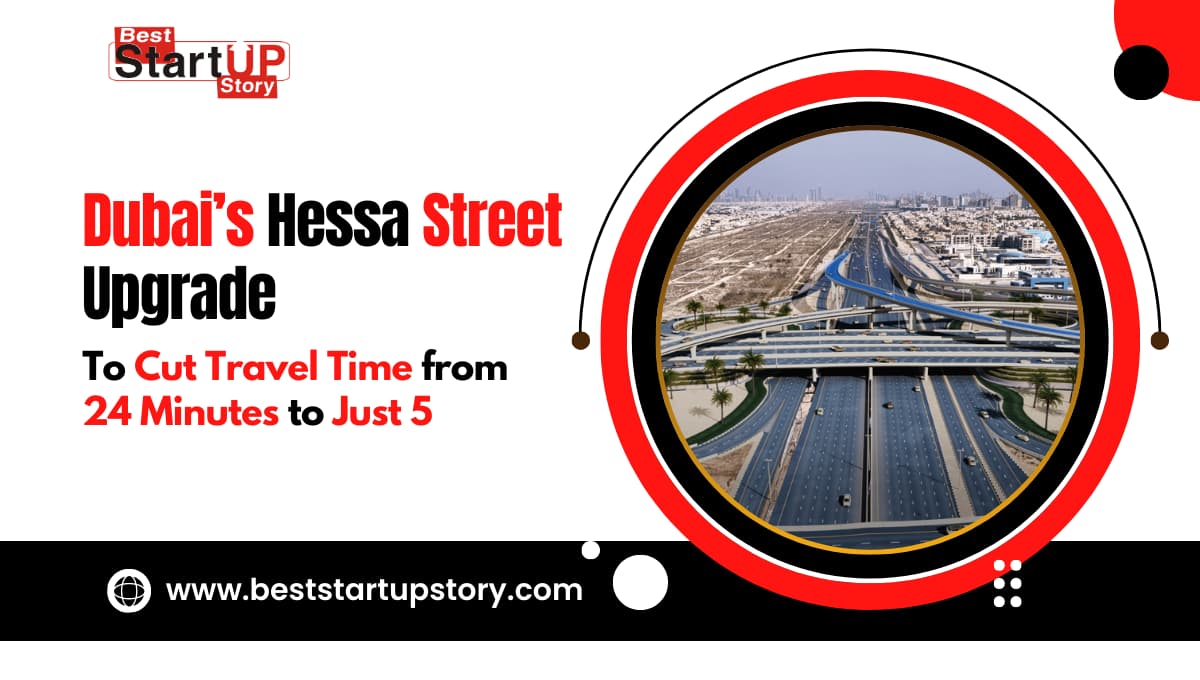
Dubai is implementing major upgrades to its busiest street, which will improve traffic movement. The Roads and Transport Authority (RTA) has awarded the contract for Phase II of the Hessa Street Development project, marking a major milestone in the city’s road expansion plans. The current infrastructure upgrade serves as a continuation of Dubai’s efforts to build better facilities for its growing population.
Hessa Street serves as a major road that thousands of drivers use each day, but peak traffic times bring about extended waiting periods. However, the new implementations will reduce commuting time in this busy area. The overall travel time will drop from 24 minutes to 5 minutes. This will allow 650,000 people from nearby areas to travel with improved speed and efficiency, and complete protection from safety risks.
Why is Hessa Street Important?
The primary road, Hessa Street, serves as the primary east-west connection between Dubai and its major highways, which include Sheikh Mohammed bin Zayed Road (E311) and Al Khail Road. The road experiences almost 500000 vehicle trips every day. The establishment of new residential communities around the area has resulted in increased traffic over the years. Some of the nearby communities include:
- Jumeirah Village Circle (JVC)
- Al Barsha South
- Arjan
- Dubai Science Park
- Jumeirah Lakes Towers
- Barsha Heights
- The Greens
- Emirates Hills
The peak-hour traffic patterns have developed into a major problem because of the increasing vehicle volume. The new project has established a solution for this issue.
Phase II: What Will Change?
Phase II of the project covers a 3-kilometre stretch between Al Khail Road and Sheikh Mohammed bin Zayed Road.
Main Goals of Phase II
- It will reduce travel duration from 24 minutes to 5 minutes
- It will double the existing road traffic capacity
- It will enhance traffic movement through essential road intersections
- It will assist with 10 different housing and commercial development sites
- It will provide advantages to approximately 650000 local citizens
Road Expansion and Increased Capacity
Hessa Street will undergo its most significant enhancement yet through the construction of additional lanes, which will expand the road from its existing two-lane design to a four-lane configuration that includes two lanes for each direction.
What This Means:
- The road will experience capacity growth from 4000 vehicles per hour to 8000 vehicles per hour, which will apply to both directions.
- The road will experience reduced traffic delays during busy time periods.
- The duration of waiting at traffic signals will shorten.
Major Bridges, Ramps, and Tunnels
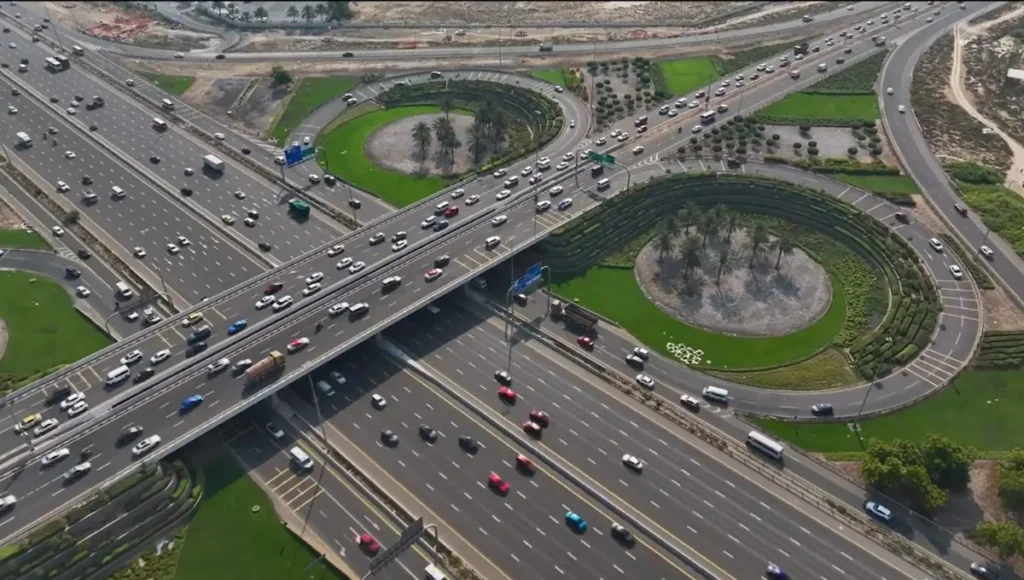
The second phase of the project requires extensive construction activities that will lead to continuous vehicle flow through the area. The project will add new infrastructure elements, which include
- A total of 8,835 meters, which comprises multiple bridge constructions
- The construction of a 480-meter tunnel, which will have two lanes
- The construction of multiple interchanges, which will provide different levels of access
- The establishment of new entry and exit points
The upgrades will eliminate all traffic conflicts so vehicles can operate without any extended delays.
Upgrades at Key Intersections
The project will upgrade all three main intersection points to develop multi-level interchanges.
Al Khail Road: Hessa Street Interchange
This junction will undergo major improvements, which include
- The construction of a second-level two-lane ramp from Hessa Street to Al Khail Road (towards Abu Dhabi)
- The construction of a third-level flyover, which will connect Al Khail Road to Hessa Street (towards Sheikh Mohammed bin Zayed Road)
- The construction of collector roads, which will enhance loop movements
The upgraded interchange system now supports a maximum capacity of 18, 200 vehicles per hour.
Improvements for Al Khamila Street and JVC
The project aims to enhance Al Khamila Street and JVC through various development initiatives. The project will improve JVC access through its development of new entry points, which connect to JVC and nearby areas. The project includes key infrastructure elements, which consist of:
- The construction of a 1.65-kilometer ramp that extends from Al Khamila Street to Al Khail Road towards Sharjah
- The construction of a 780-meter bridge, which will connect Al Khamila Street to JVC
- The construction of a 1.05-kilometer elevated ramp system, which will direct traffic towards Abu Dhabi
- The construction of a 480-meter tunnel, which will connect JVC to Sheikh Mohammed bin Zayed Road
The result will provide thousands of drivers with improved travel times because the system reduces traffic congestion.
Widening of Al Hadaeq Street
Another important part of the project is widening Al Hadaeq Street over 2.5 km.
Improvements Include:
- Converting it into a dual carriageway
- Three lanes in each direction
- Replacing roundabouts with signalised intersections
These changes will improve safety and increase traffic capacity to 4,400 vehicles per hour.
Overview of Phase I: Already Delivering Results
The Hessa Street Development will reach its first phase opening in April. The existing parts of the project have begun to deliver substantial outcomes. The first phase will include the following components:
- The project will extend from two lanes to four lanes, which will apply to all driving directions.
- It includes upgrading four major intersections.
- It includes a 13.5 kilometer track for cycling and e-scooter transportation.
- It will build a 1,000-meter bridge that connects Hessa Street with Al Khail Road.
The new bridge has shortened travel time from Hessa Street to Al Khail Road, which now takes 3 minutes instead of 15 minutes. Also, the city center and Dubai International Airport now have improved access because of this development.
Promoting Cycling and Sustainable Transport
The Hessa Street Development is not only about cars. It also supports eco-friendly transport.
Phase II Cycling Track
A 10.4 km cycling and e-scooter track will link:
- Dubai Hills
- Dubai Motor City
- Al Barsha South
- Arjan
- Dubai Science Park
Phase I Cycling Track
Phase I already includes a 13.5 km track linking Al Sufouh to Dubai Hills.
Two special bridges cross:
- Sheikh Zayed Road
- Al Khail Road
Each bridge is 5 metres wide:
- 3 metres for cyclists and e-scooters
- 2 metres for pedestrians
The track can handle around 5,200 users per hour.
Why This Matters
- It encourages healthier lifestyles
- It reduces car dependency
- It improves first and last-mile connectivity
- It connects with Dubai Internet City Metro Station
This supports Dubai’s long-term plan for sustainable mobility.
How Residents Will Benefit?
The project will directly improve daily life for nearly 650000 residents.
Key Benefits:
- Travel time reduction reaches 80 percent.
- It will reduce traffic congestion.
- Residents will get improved road safety.
- It allows quicker access to educational institutions, business locations, and shopping centers.
- It establishes enhanced links between primary roadways.
This Dubai road project represents its most extensive upgrade, which demonstrates how smart urban design enhances citizens’ daily experiences.
A Corridor Ready for the Future
Dubai continues to experience rapid development. Hessa Street requires expansion because traffic volume continues to increase. The Hessa Street Development has three main objectives, which include.
- Keep pace with population growth
- Support new residential projects
- Improve road safety
- Encourage sustainable transport
The construction of Hessa Street will transform the street into a modern, high-capacity roadway that supports thousands of daily commuters.
Final Thoughts
The Hessa Street upgrade project in Dubai represents an essential solution for the traffic problems that occur in one of the most active areas of the city. The project will transform daily commuting by doubling road capacity and constructing new bridges and tunnels while promoting bicycle use. Therefore, reducing travel time from 24 minutes to just 5 minutes is not just about convenience; it is about improving the quality of life for residents. Dubai proceeds with its smart infrastructure upgrades, which lead to an efficient road system that meets future requirements.
Also Read : What Are the Key Features to Look for in a Top-Rated Online Stock Trading Platform