
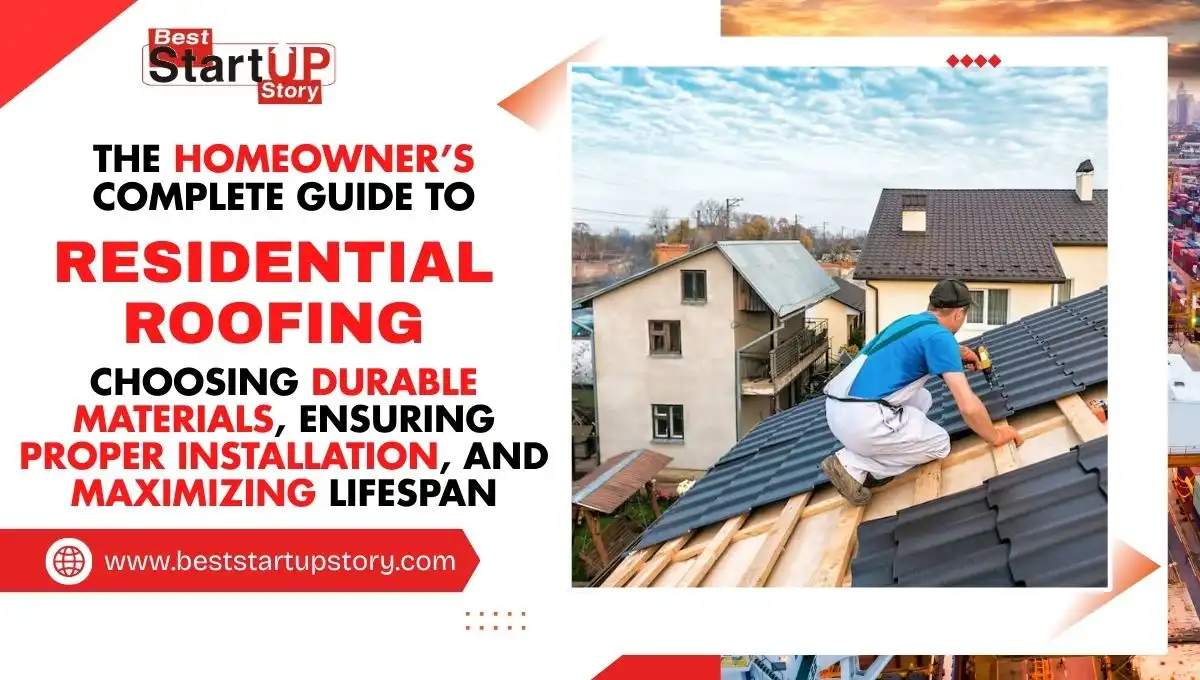
A roof is one of the most important investments a homeowner can make. It protects the home from weather, contributes to energy efficiency, enhances the aesthetic appeal of the property, and provides structural integrity for years to come. Residential roofing plays a central role in maintaining these benefits, making it essential for homeowners to understand the materials, installation processes, and maintenance practices required for a long-lasting and reliable roof. This guide explores everything homeowners need to know about residential roofing to make informed choices, protect their property, and maximize the lifespan of their roof.
The Importance of Residential Roofing
Residential roofing is designed to protect a home from rain, wind, snow, heat, and other environmental elements. Unlike commercial or industrial roofing, residential roofs combine functionality with visual appeal, as the roof significantly contributes to the overall look and value of the home. A well-constructed roof ensures that interior spaces remain dry, safe, and energy-efficient while maintaining the structural integrity of the home over decades.
High-quality residential roofing also enhances energy efficiency by providing proper insulation and, in some cases, reflecting heat. This helps maintain comfortable indoor temperatures and reduces the demand for heating and cooling systems. Furthermore, a well-maintained roof prevents issues such as water infiltration, mold growth, and wood rot, which can compromise both safety and property value.
Common Types of Residential Roofing Materials
Choosing the right roofing material is one of the most critical decisions for homeowners. Each material offers unique benefits, costs, and maintenance requirements.
Asphalt Shingles are the most widely used roofing materials due to their affordability, versatility, and ease of installation. They are available in numerous colors and styles, making it easy to match the roof to the architectural style of the home. High-quality asphalt shingles can last 20–30 years with proper maintenance, offering reliable protection against wind, rain, and moderate hail. They are also relatively easy to repair or replace when damaged.
Metal Roofing has grown in popularity for residential applications due to its durability and long lifespan. Metal roofs can last 50 years or more, offering exceptional resistance to extreme weather conditions, including heavy snow, hail, and strong winds. Metal roofing is also energy-efficient, reflecting sunlight and reducing indoor temperatures during hot months. Modern metal panels can mimic the appearance of traditional shingles or tiles, combining aesthetic appeal with superior performance.
Wood Shingles and Shakes provide a timeless, rustic appearance that adds character and charm to a home. Typically made from cedar or redwood, wood shingles offer natural insulation and can last 25–30 years if maintained properly. However, they require more upkeep than other materials, as they are vulnerable to moisture, insects, and fire. Regular inspections and treatment help preserve their appearance and functionality.
Slate Roofing is valued for its elegance, durability, and extraordinary lifespan. Slate tiles can last over 100 years and are highly resistant to fire and weather damage. Slate is also environmentally friendly and contributes to the long-term sustainability of a home. Installation requires skilled labor and additional structural support due to the weight of the material, but the investment is often justified by its longevity and timeless beauty.
Clay and Concrete Tiles are known for their visual appeal, energy efficiency, and durability. These tiles can last 50 years or more and provide excellent fire resistance. Similar to slate, clay and concrete tiles are heavy and require proper structural support during installation. Homeowners who prioritize long-term investment, aesthetics, and energy efficiency often choose these materials for residential roofing.
The Role of Professional Installation
Even the best residential roofing materials will fail if installation is improper. Proper installation ensures the roof functions efficiently, resists leaks, and maintains its intended lifespan. Poor installation can result in water damage, structural issues, and early material failure.
Hiring a certified and experienced roofing contractor ensures adherence to manufacturer specifications, building codes, and safety standards. Professional installation also provides homeowners with peace of mind, knowing that their roof will perform as expected under various environmental conditions. Quality installation is a crucial investment that maximizes the benefits of residential roofing materials.
Maintenance for Longevity
Routine maintenance is essential for preserving the life and performance of residential roofing. Homeowners should perform regular inspections to detect issues such as damaged shingles, cracks, leaks, or flashing problems. Clean gutters and downspouts prevent water accumulation and potential structural damage. Removing debris such as leaves and branches helps prevent moisture buildup that can lead to mold or rot.
Small repairs, such as replacing a missing shingle or sealing a minor leak, should be addressed promptly to avoid escalating issues. Residential roofing may also require treatment to prevent moss, algae, or other organic growths that could damage the surface. Following a consistent maintenance schedule ensures durability, reduces emergency repair costs, and prolongs the roof’s lifespan.
Benefits of High-Quality Residential Roofing
Investing in quality residential roofing provides multiple benefits for homeowners.
- Enhanced Property Value: A well-maintained and visually appealing roof boosts curb appeal and overall property value.
- Energy Efficiency: Modern roofing materials improve insulation and reflect heat, reducing energy costs.
- Weather Protection: Durable materials withstand rain, snow, wind, and UV exposure, preventing structural damage.
- Safety and Comfort: A strong roof protects residents and ensures indoor comfort during extreme weather.
- Longevity and Cost Savings: High-quality roofing reduces the frequency of repairs and replacement, providing long-term financial savings.
Choosing the Right Contractor
Selecting a reliable contractor is as important as selecting materials. Homeowners should evaluate a contractor’s experience, licensing, insurance, and references. Detailed written estimates help prevent unexpected costs, while reviews and testimonials provide insight into work quality. A reputable contractor ensures that residential roofing is installed correctly and maintained professionally, offering both immediate and long-term benefits.
Long-Term Considerations
The lifespan of residential roofing depends on material type and maintenance practices. Asphalt shingles generally last 20–30 years, metal roofing can last 50 years or more, and slate, clay, or concrete tiles can exceed 50 years. Investing in durable materials and adhering to maintenance practices ensures a reliable, long-lasting roof. Homeowners should also consider energy efficiency, environmental impact, and aesthetic value when selecting materials, balancing cost with long-term benefits.
Conclusion
Residential roofing is a critical element of home protection, combining functionality, energy efficiency, and aesthetic appeal. Understanding the various materials, prioritizing professional installation, and committing to regular maintenance empowers homeowners to make informed decisions. High-quality residential roofing enhances property value, ensures safety and comfort, and minimizes long-term repair costs.
By choosing durable materials, hiring experienced contractors, and maintaining the roof diligently, homeowners can maximize the lifespan and benefits of residential roofing. Investing in a well-constructed roof is an investment in the long-term security, comfort, and beauty of the home, providing peace of mind and protection for decades
Also Read – Transform Your Home with Interior Painting Tips & Techniques