
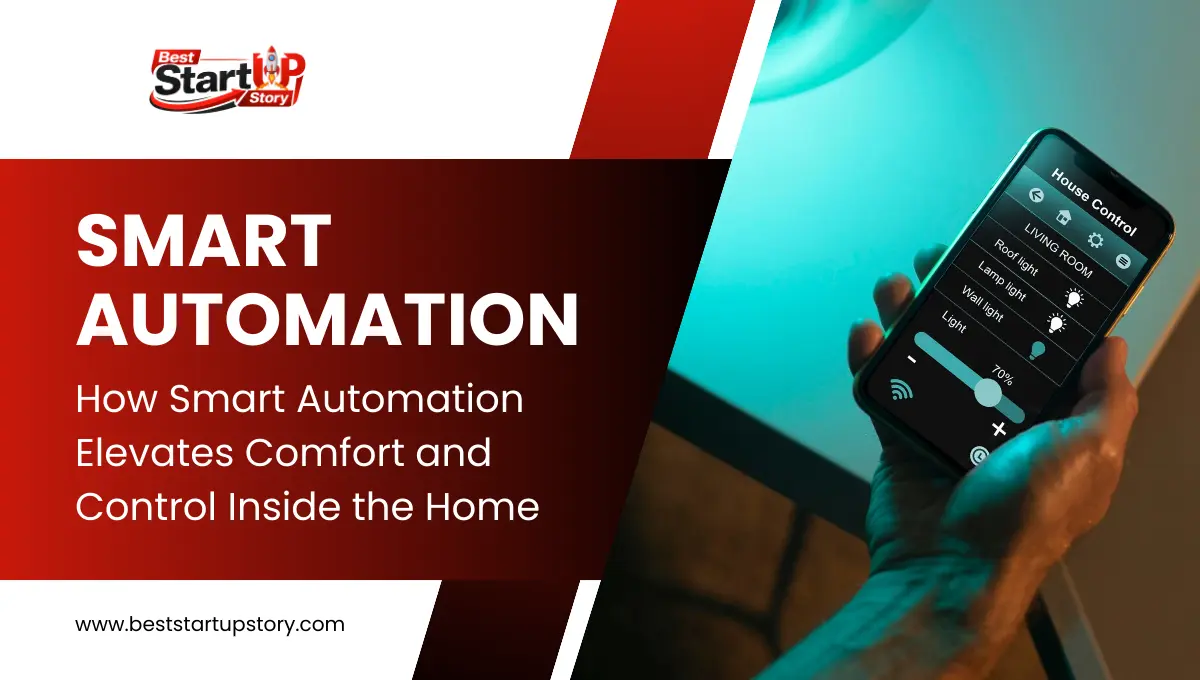
Homes are becoming more responsive to the way people live. From lighting to temperature, modern interiors are increasingly shaped by systems that adapt automatically to daily routines. Windows are no exception. When light, privacy, and comfort are managed intelligently, rooms feel calmer, more functional, and easier to use throughout the day.
Traditional window solutions require constant manual adjustment. Curtains are opened and closed repeatedly, glare appears at inconvenient times, and privacy needs change from hour to hour. Over time, this constant attention becomes a quiet inconvenience that interrupts daily flow. Automation introduces a different experience, one where windows respond smoothly without demanding effort.
Homeowners exploring advanced window solutions often work with specialists such as Shutters & Shades to understand how automation can support both comfort and long-term usability. With the right planning, windows shift from passive features into active contributors to everyday living.
The role of automation in modern interiors
Automation is not about excess or complexity. Its real value lies in simplifying everyday tasks. When systems respond automatically, homeowners spend less time adjusting and more time enjoying their space.
Automated window solutions manage light and privacy consistently throughout the day. Instead of reacting to sunlight or exposure, the system anticipates changes based on time, position, or preference. This reliability creates a more predictable and comfortable environment.
As homes continue to integrate smart technology, window automation fits naturally into a broader ecosystem focused on efficiency and ease.
Managing natural light without constant adjustment
Light conditions change continuously. Morning sun enters at a low angle, midday light becomes intense, and afternoon glare shifts across rooms. Manual adjustments struggle to keep pace with these changes.
Motorized Shades allow light to be managed gradually and precisely. They can adjust automatically as conditions shift, maintaining balanced brightness without sudden transitions. Rooms remain usable throughout the day without harsh glare or excessive darkness.
This steady light control supports a wide range of activities, from focused work to relaxation, without interrupting routines.
Improving privacy in dynamic environments
Privacy needs are rarely static. A room may feel open and comfortable during the day but require more coverage in the evening. Street-facing windows, neighboring homes, and changing light levels all influence how exposed a space feels.
Automated systems respond to these changes seamlessly. Coverage increases when privacy is needed and recedes when openness is preferred. This responsiveness creates a sense of control without constant attention.
Reliable privacy also enhances comfort. Homeowners move freely through their spaces knowing that visibility adjusts naturally as conditions change.
Supporting consistent indoor temperatures
Windows are a major factor in heat gain and heat loss. When coverings remain open during intense sunlight or closed during cooler periods, rooms can quickly become uncomfortable.
Automated window systems help regulate temperature by responding to sunlight and time of day. By limiting heat gain when necessary and allowing warmth when beneficial, they support more stable indoor conditions.
This stability reduces strain on heating and cooling systems. Over time, consistent temperature control contributes to improved efficiency and comfort.
Enhancing energy efficiency through responsiveness
Energy efficiency improves when systems react in real time. Manual adjustments often happen too late or not at all, allowing unnecessary heat transfer to continue.
Automated window solutions respond promptly to environmental changes. They reduce excess sunlight during peak heat and maximize natural light when conditions are favorable. This responsiveness helps lower energy demand without sacrificing comfort.
Efficiency becomes part of daily living rather than an ongoing effort, supporting both sustainability and cost management.
Creating cleaner visual lines in interior design
Cords, uneven panels, and manual mechanisms can disrupt the visual flow of a room. Automation simplifies window design by reducing visible hardware and maintaining consistent alignment.
Clean lines contribute to a calmer interior aesthetic. When window coverings move smoothly and remain evenly positioned, rooms feel more intentional and refined.
This visual clarity complements both modern and transitional design styles, allowing automation to blend seamlessly into the space.
Adapting rooms to multiple functions
Rooms often serve more than one purpose. A living area may function as a workspace during the day and a relaxation zone in the evening. Fixed window solutions struggle to support these transitions smoothly.
Automated systems adjust instantly to different needs. Light levels shift for screen use, privacy increases for evening comfort, and openness returns when desired. This adaptability allows spaces to change function without physical effort.
Flexible environments feel more responsive and enjoyable, supporting evolving daily routines.
Supporting accessibility and ease of use
Automation also improves accessibility. Windows that are difficult to reach or adjust manually become easy to manage with simple controls or presets.
This ease benefits households of all ages. Reduced physical effort makes window management more inclusive and less frustrating. Adjustments happen with minimal disruption.
Accessibility-focused design enhances independence and comfort, making the home easier to navigate for everyone.
Reducing wear and maintenance
Manual handling introduces uneven wear over time. Repeated pulling, adjusting, and repositioning can affect alignment and longevity.
Automated movement is controlled and consistent. Systems operate smoothly within designed limits, reducing strain on materials and mechanisms. This controlled use supports longer-lasting performance.
Lower maintenance demands allow homeowners to enjoy the benefits of their window solutions without frequent attention or repair.
Supporting quiet and seamless operation
Noise and abrupt movement can detract from comfort. Poorly designed systems may interrupt quiet moments or draw unnecessary attention.
Quality automation prioritizes smooth and quiet operation. Adjustments occur gradually, maintaining a peaceful environment. This subtlety helps the technology fade into the background.
When systems work quietly, the focus remains on the comfort of the space rather than the mechanics behind it.
Integrating with broader smart home systems
Automated window solutions often integrate with other smart features. Lighting, climate, and scheduling systems can work together to create cohesive responses.
This integration supports holistic comfort. For example, window adjustments can align with lighting changes to maintain consistent ambiance throughout the day.
As homes become more connected, window automation enhances overall responsiveness rather than functioning in isolation.
Building long-term value through innovation
Innovative features often influence how a home is perceived. Automation suggests thoughtful investment and forward-looking design.
Buyers increasingly value homes that feel easy to live in. Automated window solutions contribute to that impression by reducing daily effort and enhancing comfort.
Midway through many interior upgrades, homeowners recognize the long-term benefit of working with Shutters & Shades, where innovation is balanced with practical performance.
Encouraging effortless daily living
The greatest advantage of automation is effortlessness. When windows respond naturally, daily life feels smoother and less interrupted.
Motorized Shades support this experience by handling repetitive adjustments quietly and consistently. Homeowners enjoy balanced light, privacy, and comfort without constant decision-making.
This ease enhances mood and productivity, making the home feel more supportive and intuitive.
Conclusion
Modern homes benefit from systems that adapt seamlessly to daily needs. Through intelligent automation, Motorized Shades provide responsive control over light, privacy, and comfort without constant effort. By supporting energy efficiency, visual clarity, and flexible use, automated window solutions elevate everyday living. With thoughtful planning and precise execution, Shutters & Shades helps homeowners create interiors that feel calm, efficient, and effortlessly aligned with modern lifestyles.
Also Read: How Proper Dryer Care Supports Efficient and Safe Laundry Cycles