
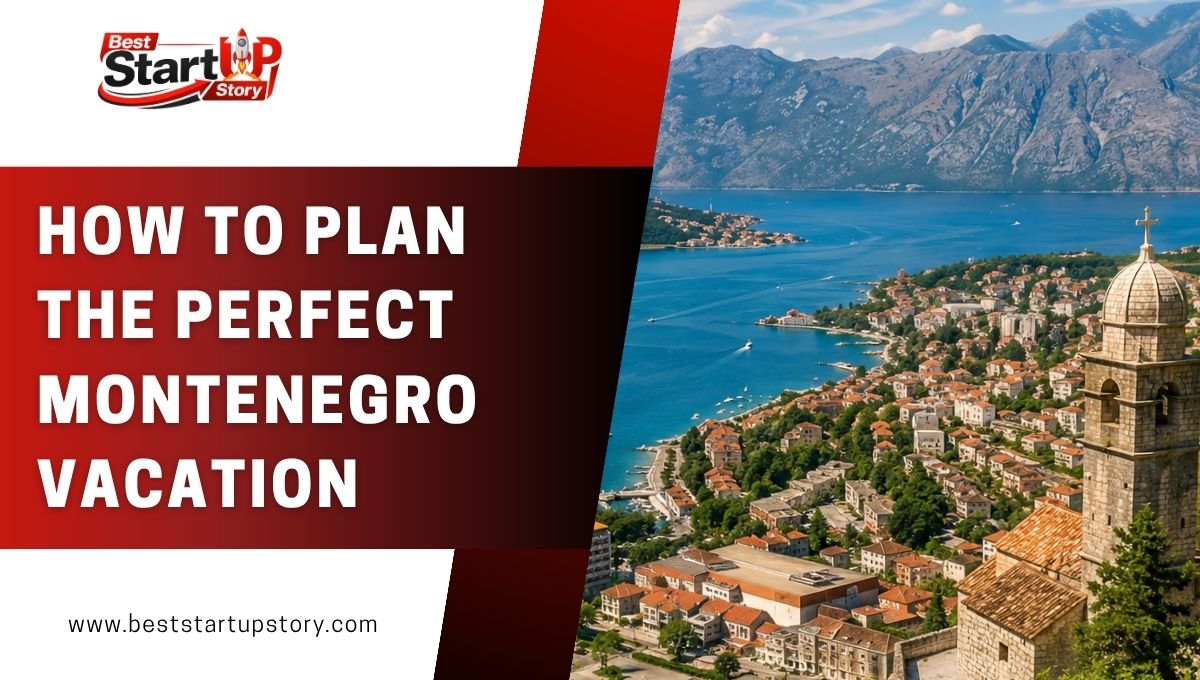
Montenegro packs fjord-like bays, medieval walled towns, and 2,500-meter peaks into a country smaller than Connecticut. That compactness is exactly what makes planning tricky — you can drive from the coast to the mountains in under two hours, which means most visitors try to cram in too much and end up rushing through places that deserve a slower look. A little upfront planning changes that experience entirely.
Decide When to Go
June and September are the sweet spot for most travelers. The Adriatic is warm enough for swimming, temperatures hover in the mid-70s to low 80s Fahrenheit, and the crowds that clog Kotor’s old town in July and August thin out considerably. July and August bring the best beach weather but also cruise ship crowds and inflated prices in Budva and Kotor.
Shoulder season, specifically late April through May, works well if the goal is hiking in Durmitor National Park or exploring towns without elbowing through tour groups. Winter shuts down most coastal tourism infrastructure, though Kolašin and Žabljak turn into modest ski destinations from December through March.
Choose a Base (or Two)
Kotor gets the most attention, and for good reason — its old town sits inside Venetian walls at the head of a bay ringed by steep mountains. But staying there for an entire week means missing out on variety. A common and effective approach is splitting time between the Bay of Kotor, the beach towns further south like Budva or Petrovac, and one inland stop.
Perast, a tiny village 12 kilometers from Kotor, makes a quieter alternative base with the same dramatic bay views and none of the cruise-ship foot traffic. For those who want mountain scenery, Žabljak sits at over 1,400 meters elevation near Durmitor National Park and works well as a two- or three-night addition to a coastal itinerary.
Build a Realistic Itinerary
Ten days is enough to cover the highlights without feeling rushed: three nights around Kotor Bay, two or three in Budva or Petrovac for beach time, two in Žabljak for hiking, and a night in Podgorica or Cetinje to break up the drive. Trying to do all of this in under a week usually means spending more time in the car than actually seeing anything.
For travelers short on time, guided tours in Montenegro can be a smart way to hit several highlights, like Kotor, Budva, and the Ostrog Monastery, in a single well-organized day trip without the logistics of renting a car or figuring out mountain roads solo. Several outfits based in Kotor and Budva run half-day and full-day trips that include an English-speaking driver, which matters on the narrower coastal roads.
Rent a Car or Not
The coastal road connecting Herceg Novi, Kotor, Budva, and Bar is scenic but slow, with hairpin turns and heavy summer traffic. A rental car gives flexibility for exploring Durmitor, Lovćen National Park, or smaller villages that buses skip entirely. Automatic transmissions cost more to rent and should be booked at least a few weeks ahead in peak season since supply is limited.
If the plan is to stay mostly along the coast and take day trips, buses connect the major towns frequently and cheaply, often for under 5 euros between neighboring towns. Skip the car entirely if Kotor’s old town is the main destination, since parking there is expensive and the historic center is pedestrian-only anyway.
Budget for the Trip
Montenegro remains less expensive than Croatia or Italy, though prices climb every summer as tourism grows. A mid-range dinner with wine runs 25 to 40 euros for two people, while a private room or budget apartment costs 40 to 70 euros a night outside of August. Entrance fees are modest — Kotor’s old town walls cost around 8 euros to climb, and most national parks charge similar small entry fees.
Cash still matters in smaller towns and family-run konobas, even though cards work fine in cities. ATMs are common along the coast but scarcer in mountain areas like Durmitor, so withdraw enough before heading inland.
Pack for Two Climates
The coast and the mountains operate on different weather systems even in the same week. A light jacket and sturdy shoes matter for Durmitor or Lovćen, while swimwear and sun protection cover the coastal stretch. Evenings by the bay get cool even in summer, so a layer beyond a t-shirt is worth packing.
Comfortable walking shoes matter more than sandals almost everywhere, since old towns are paved with slick, centuries-old stone that gets slippery when wet.
Know Before You Go
Montenegro uses the euro despite not being in the EU, which simplifies currency planning for anyone coming from eurozone countries. English is widely spoken in tourist areas but less so in smaller inland villages, where basic Serbian or Montenegrin phrases go a long way.
The real key to a good Montenegro trip isn’t seeing everything listed in a guidebook — it’s picking two or three regions and giving each enough time to actually settle in. A rushed loop through five towns in five days tends to blur together, while three unhurried days in Kotor Bay followed by a couple of nights in the mountains leaves a far sharper, more satisfying impression of what the country actually offers.