
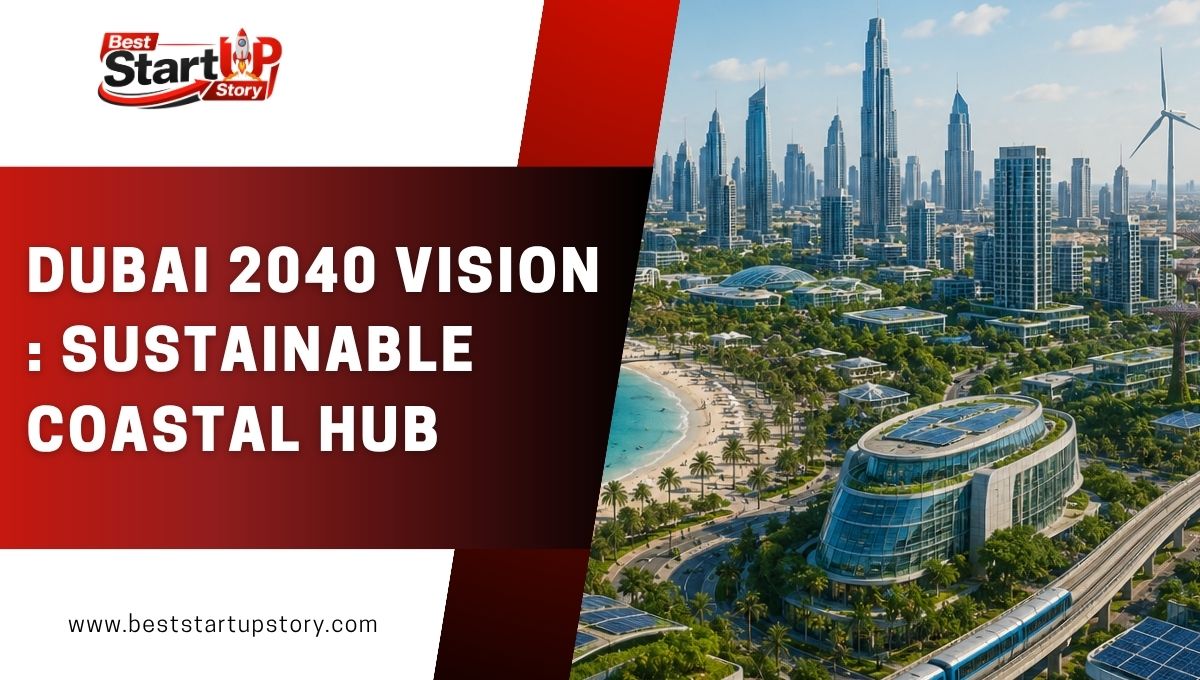
The Dubai Islands represent one of the city’s most important coastal expansions in recent years. The project introduces five man-made islands along Dubai’s northern shoreline. Together, they cover around 17 square kilometers. The development adds over 20 kilometers of beachfront. So, it increases access to coastal land, which has always been limited.
This new district forms part of the Dubai 2040 Urban Master Plan. The plan focuses on how the city will grow over time. It places strong importance on livability, environmental balance, and infrastructure. Dubai Islands supports these goals by creating space for housing, tourism, and public use.
It is not just an extension of the coastline. It is a planned addition to the city itself.
A Coastal District Planned for Long-Term Use
Dubai’s expansion has shifted in recent years. Earlier projects focused mainly on growth. Newer developments are paying closer attention to structure and sustainability. The Dubai Islands reflect the vision of Dubai 2040.
The project increases public access to beaches. It also introduces parks and walkways. Many new open spaces will also be added. These features improve daily life.
Transport access is part of the early planning. Road networks will connect the islands to the mainland. Marine transport will also support coastal movement. This ensures the area remains accessible and practical for residents and visitors.
The goal is simple. Create a coastal district that works with the city, not apart from it.
Five Islands with Different Purposes
Each island has its own layout. This allows the development to serve different types of residents and visitors.
Island A will act as the main center. It will include residential buildings, retail areas, and marina space. Public areas will support everyday activity.
Island B will focus on beachfront communities. Residential areas and hotels will share the coastline. Parks and open areas will support outdoor use.
Island C will include villas, resorts, and landscaped areas. The environment will feel quieter. A golf course will form part of the island’s layout.
Island D will include sports facilities and residential zones. Outdoor activity will play a central role here.
Island E will remain more private. Villas and marina access will define this island. Commercial activity will remain limited.
This structure allows variety within one connected coastal district.
Tourism, Housing, and the Economic Role
The Dubai Islands will also support tourism growth. More than 80 hotels and resorts are planned across the islands. This will increase Dubai’s hospitality capacity. In the long run, it will also attract more visitors.
At the same time, the project expands waterfront housing. Coastal property remains limited. New residential areas will help meet long-term demand.
Public beaches, retail areas, and leisure spaces will support activity across the islands. This ensures the district remains active throughout the year.
Sustainability and Daily Functionality
Environmental planning is part of the development. Parks and landscaped areas will improve outdoor comfort. Open space will also help balance urban density.
Walking paths and cycling routes will support local movement. Marine transport will provide additional access. These features reduce pressure on road traffic.
Essential services will also support residents. Healthcare, education, and retail facilities will form part of the wider urban framework.
This ensures the islands function as real communities, not seasonal destinations.
A New Phase in Dubai’s Coastal Development
The Dubai Islands reflect a more measured phase in Dubai’s growth. It expands the coastline while supporting housing, tourism, and public access. The project also aligns with the long-term direction set by the Dubai 2040 Urban Master Plan.
As the city continues to grow, coastal developments such as the Dubai Islands will play an important role. They provide new space while supporting sustainability, connectivity, and long-term urban stability.