
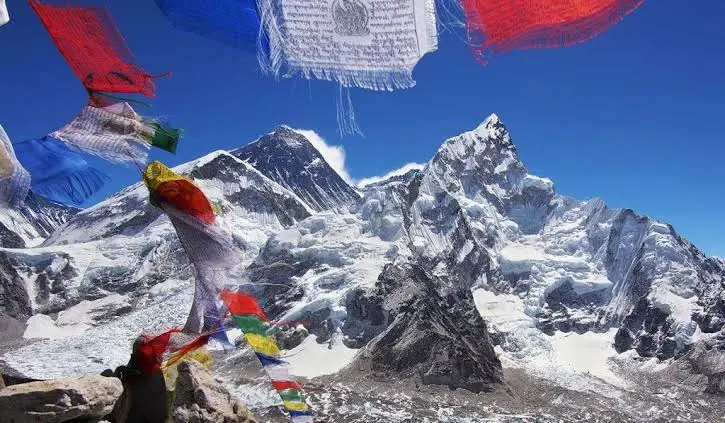
Nepal has a strange way of making every trekker feel like the mountains were designed just for them. Ask a first-timer and they’ll talk about the sunrise over Poon Hill. Ask someone who’s done three Himalayan trips and they’ll bring up Thorong La or the silence of the Manaslu trail. Both are right. The problem is that most “top treks in Nepal” lists throw all these routes together as if they’re interchangeable, when really they serve completely different kinds of travelers.
That’s the gap this guide tries to close. Instead of just naming famous trails, we’re going to look at what actually separates a good trek for a first-time hiker or a family from one that’s better suited to someone who already knows what altitude sickness feels like. Trek difficulty, elevation gain, daily walking hours, trail conditions, and how much acclimatization time you’ll need all matter more than a trek’s popularity on Instagram.
We’ll split things into three practical groups — beginners and families, moderately active trekkers, and experienced trekkers — and walk through the best Nepal trekking destinations in each category. If you’re trying to figure out where you personally fit, a company like Nepal Eco Adventure can also help match your fitness level and travel window to the right route, rather than just pointing you toward whichever trek sells the most packages. Either way, by the end of this you should have a much clearer sense of which trail actually fits your trip, not just which one is famous.
How to Choose Among the Best Nepal Trekking Destinations
Before jumping into specific trails, it helps to think through a few honest questions about yourself. Have you done any Himalayan trekking before, or is this your first time walking multiple days in a row at elevation? Your fitness matters too — not just whether you can walk five or six hours a day, but whether you’re comfortable with steep, uneven descents that hammer your knees just as much as the climbs tire your lungs.
Altitude is its own category. Some Nepal trekking routes stay under 3,500 meters the whole way, while others push past 5,000 meters at a high pass, where acclimatization isn’t optional — it’s the difference between finishing your trek and turning back early. Duration matters for obvious reasons: a long weekend calls for something different than a three-week Himalayan trekking adventure. If you’re traveling with kids, their age and walking stamina will shape everything, and it helps to build slack into the itinerary rather than a rigid schedule.
Trail character varies a lot too — teahouse trekking through mountain villages feels very different from crossing rocky, exposed high passes. Season affects visibility and trail conditions more than people expect, and the level of support you arrange, whether that’s a guide, porter, or fixed itinerary, changes how much you need to manage on your own.
Best Nepal Trekking Destinations for Beginners and Families
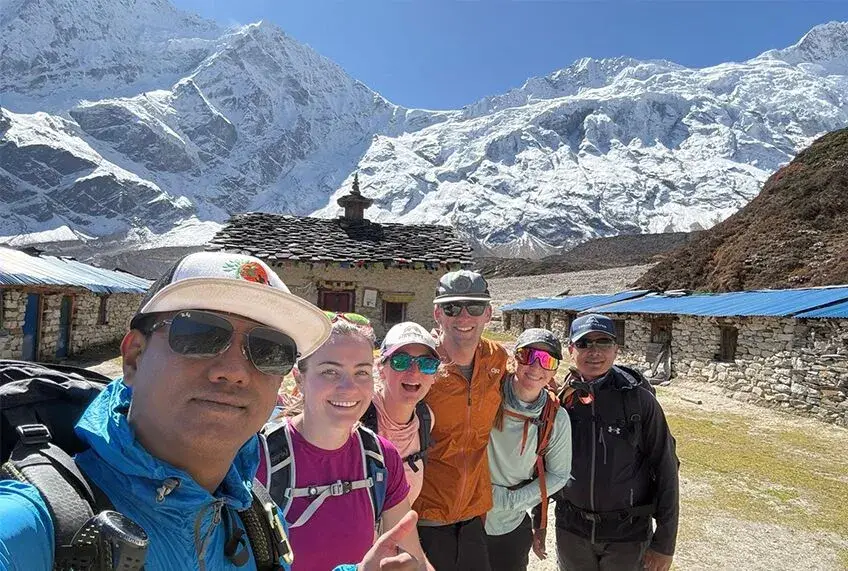
Lower-altitude and moderately paced routes tend to work better for first-timers and families, mostly because they leave more room for error — slower pace, shorter days, and less risk if someone in the group struggles with the altitude. That said, “beginner-friendly” isn’t the same as effortless. You’re still walking several hours a day across changing terrain, often with a fair bit of elevation gain and loss, so some physical preparation still matters even on the easier end of Nepal’s trekking routes.
1. Ghorepani Poon Hill Trek
If you want a taste of the Himalayas without committing weeks of your life to it, Ghorepani Poon Hill is usually where people start. The route sits in the Annapurna region and moves through a mix of stone-stepped trails, rhododendron forests, and small mountain villages where teahouses double as your evening’s entertainment. Compared to major high-altitude routes, this one is short — most itineraries wrap up in four to six days — which makes it a realistic option for travelers who don’t have three weeks to spare.
The trek eases you into Himalayan walking rather than throwing you straight into thin air. You’ll climb a lot of stairs, more than most people expect honestly, and there are a couple of long uphill stretches that will test tired legs by the second day. But the payoff at Poon Hill itself — a sunrise viewpoint looking out over Annapurna South, Dhaulagiri, and a long stretch of Himalayan peaks — is one of those moments that photos never quite capture.
This is why families and first-time trekkers gravitate toward it. The altitude tops out around 3,200 meters, which is high enough to notice the thinner air but low enough that serious altitude sickness is rare. Trekking shoes with decent grip and a reasonable level of leg fitness will get most people through comfortably. For anyone with limited vacation time who still wants a genuine mountain experience, this route consistently delivers.
2. Langtang Valley Trek
Langtang Valley trades some of the Poon Hill trek’s brevity for a deeper, more immersive Himalayan experience. Tucked into Langtang National Park north of Kathmandu, this trek moves from forested lower trails into increasingly dramatic mountain scenery as you climb toward Kyanjin Gompa. It’s a longer trek than Ghorepani, usually seven to nine days, and the walking days themselves tend to run a bit longer.
What makes Langtang stand out is the cultural layer running through it. The valley is home to Tamang communities, and the trail passes through settlements that still function as working villages rather than trekker stopovers. Kyanjin Gompa, sitting near 3,870 meters, gives you a proper high-mountain viewpoint with glaciers and peaks close enough to feel within reach, even though you’re not doing any technical climbing to get there.
Because of the added altitude and longer days, Langtang suits active beginners more than absolute first-timers — families with older children or adults who are already comfortable walking five to six hours will get the most out of it. Acclimatization does matter here in a way it doesn’t on the shorter Poon Hill route, so building in a rest day is worth the extra time. Access is also relatively straightforward by road from Kathmandu, which keeps the logistics simpler than some other regions.
3. Mardi Himal Trek
Mardi Himal has become one of the more popular “in-between” treks in the Annapurna region, and it’s easy to see why. It’s compact — usually five to seven days — but the trail feels more adventurous than its short length suggests, winding through dense forest before opening up into stark alpine terrain near Mardi Himal Base Camp.
The views from High Camp and the upper sections rival much longer treks, with close-up angles on Machapuchare and the Annapurna range that feel almost private compared to busier trails. This is part of why younger, more active travelers often choose Mardi Himal over the more traditional beginner routes.
That said, don’t mistake “short” for “easy.” Some sections get narrow and steep, particularly as you gain altitude past the treeline, and the terrain underfoot shifts quickly from forest path to rocky ridge. Weather can turn fast at the higher camps too. It’s a solid pick for someone who’s done a bit of hiking before and wants more of a challenge than Ghorepani offers, without stepping into full high-altitude trekking territory.
Best Nepal Trekking Destinations for Experienced Trekkers
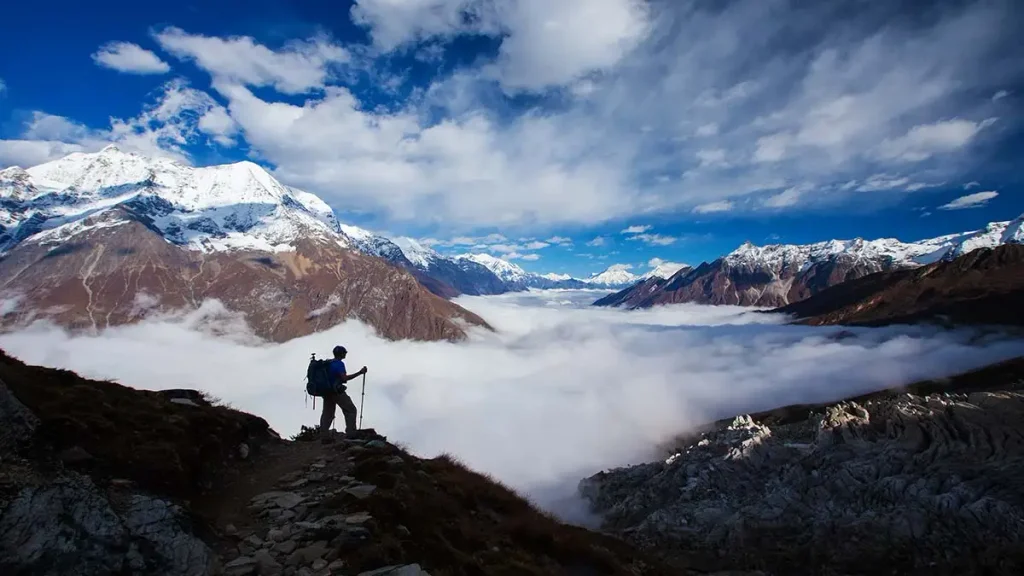
Once you’ve got a trek or two under your belt, the calculation changes. Distance alone stops being the main concern — altitude, consecutive high-elevation days, unpredictable weather, and long stretches without easy evacuation options all start to matter a lot more. The following three routes are where seasoned trekkers usually turn next, each testing a different combination of endurance, altitude tolerance, and remoteness.
1. Everest Base Camp Trek
There’s a reason Everest Base Camp keeps coming up in every conversation about Himalayan trekking — it’s the trek that put Nepal on the map for international hikers. The route runs through the Khumbu region, starting with the short, often nerve-wracking flight into Lukla before winding up through Sherpa villages toward the base of the world’s highest mountain.
Namche Bazaar, the unofficial capital of the Khumbu, is where most itineraries build in the first proper acclimatization day, and for good reason — jumping too fast from Lukla’s altitude to Everest Base Camp’s roughly 5,364 meters is asking for trouble. From Namche, the trail continues through Tengboche, with its famous monastery and long views up the valley, before pushing into the thinner air of the upper Khumbu.
Here’s the thing people often get wrong about EBC: it’s not technically difficult in a climbing sense. You’re not roped up or scrambling over exposed rock. The real challenge is altitude and duration — twelve to fourteen days of walking, much of it above 3,500 meters, with the cumulative effect of thin air wearing on your body regardless of fitness level. Kala Patthar, just above base camp, gives the best actual view of Everest itself, and it’s worth the early morning climb if your body’s cooperating by that point. Previous trekking experience genuinely helps here, less because the walking is technical and more because you’ll recognize your own warning signs if altitude starts to hit.
2. Annapurna Circuit Trek
If Everest Base Camp is about reaching one specific point, the Annapurna Circuit Trek is about the journey covering a lot of ground — literally. Few treks in Nepal offer this much landscape variety in a single route. You start in lower, greener valleys, climb steadily through Manang and its surrounding acclimatization stops, cross the Thorong La Pass at over 5,400 meters, then descend into the dry, almost Tibetan-feeling terrain around Muktinath and the Mustang side of the mountains.
That contrast — lush river valleys giving way to high desert within a matter of days — is what keeps the Annapurna Circuit near the top of most experienced trekkers’ lists. Manang itself, sitting around 3,500 meters, is where most groups take a rest day before pushing toward the pass, and skipping it isn’t a great idea given how quickly the air thins from there.
Thorong La is the physical centerpiece of the trek — a long, cold pre-dawn climb followed by a knee-jarring descent on the other side. Road construction has crept into parts of the traditional route over the years, which has changed the trekking experience somewhat on certain sections, so it’s worth checking current conditions before finalizing an itinerary. Overall, this route suits trekkers who want variety and a serious high-altitude challenge, rather than travelers chasing one iconic photo.
3. Manaslu Circuit Trek
Manaslu doesn’t get the same crowds as Everest or Annapurna, and that’s exactly the appeal for a lot of experienced trekkers. It’s a restricted area, meaning you’ll need a special permit and a licensed guide to enter, which naturally keeps trail traffic lower and the villages along the way feeling less shaped by mass tourism.
The route moves through remote mountain settlements before climbing toward Larkya La Pass, the trek’s main obstacle at around 5,160 meters. Landscapes shift dramatically along the way, from lower subtropical valleys to stark, high alpine terrain near the pass itself. Trekking days can run long, and because infrastructure is less developed than on Everest or Annapurna trails, accommodation and food options are simpler — which some trekkers appreciate and others find limiting.
Because permits, guide requirements, and logistics are more involved here, Manaslu isn’t the trek to pick just because it “looks quieter” on a map. It genuinely demands more from trekkers — physically, logistically, and in terms of self-sufficiency on the trail. If you’ve already done a high-altitude trek or two and want something wilder and less commercialized, Manaslu delivers. If you’re still building that experience, it’s better to save this one for later.
How These Six Treks Compare
| Trek | Experience Level | Main Challenge | Strongest Reason to Choose |
| Ghorepani Poon Hill | Beginner/Family | Steps and daily walking | Short Himalayan experience |
| Langtang Valley | Beginner–Intermediate | Sustained walking + altitude | Culture and valley scenery |
| Mardi Himal | Beginner–Intermediate | Steeper trail sections | Mountain views in a shorter trek |
| Everest Base Camp | Experienced | Altitude + duration | Iconic Everest journey |
| Annapurna Circuit | Experienced | Long route + Thorong La | Landscape diversity |
| Manaslu Circuit | Experienced | Remote terrain + Larkya La | Wilderness and cultural experience |
Best Time for Trekking in Nepal
Timing changes the character of almost every trek on this list. Spring, roughly March through May, tends to bring milder temperatures and rhododendron forests in full bloom, particularly noticeable on routes like Ghorepani and Mardi Himal. Autumn, from late September through November, is usually considered the most reliable stretch for clear mountain views and stable weather, which is why it’s the busiest season on popular routes like Everest Base Camp and Annapurna Circuit.
Monsoon season, roughly June to early September, brings heavier rainfall that affects lower-elevation trails more noticeably — muddy paths, leeches in forested sections, and clouds that can block mountain views for days at a time. Winter months bring cold temperatures and snow that can close high passes like Thorong La or Larkya La entirely, so routes involving those crossings need extra caution or should be avoided altogether in the coldest months.
None of this is fixed by calendar month alone — conditions can vary quite a bit by region and elevation, so it’s always worth checking current trail and permit conditions closer to your actual travel dates rather than relying purely on general seasonal guidelines.
Practical Preparation Before Choosing a Trek
Whichever route you land on, a bit of groundwork beforehand makes a real difference. Build up your walking fitness in the weeks before you go, and don’t just focus on flat-distance walking — train on hills or stairs, since downhill sections are often harder on your body than the climbs. Break in your trekking shoes well ahead of time; new boots on day one of a multi-day trek is a recipe for blisters you’ll regret.
Pack layers, since temperatures can swing dramatically between valley floors and higher camps, sometimes within the same day. Learn the basic symptoms of altitude sickness before you go, not after you’re already feeling them on the trail. On higher routes, don’t skip acclimatization days just to save time — it’s one of the more common mistakes trekkers make when they’re eager to reach a pass or viewpoint. Get travel insurance that actually covers high-altitude trekking and emergency evacuation, use a licensed guide where it’s required, and keep some flexibility in your schedule for weather delays. Nepal’s mountains don’t really care about anyone’s itinerary.
Final Thoughts: Choose the Trek That Fits You
At the end of the day, the “best” Nepal trek isn’t a fixed list — it’s whichever route actually matches your fitness, experience, available time, and tolerance for altitude. For beginners and families, Ghorepani Poon Hill, Langtang Valley, and Mardi Himal all offer genuine Himalayan experiences without the extreme demands of the high-altitude classics. For experienced trekkers looking for a bigger challenge, Everest Base Camp, Annapurna Circuit, and Manaslu Circuit each bring something different to the table, from iconic status to landscape variety to genuine remoteness.
Try not to pick a trek just because it’s the one everyone’s heard of. Tell us your trekking experience, how many days you’ve got, and which region interests you, and Nepal Eco Adventure can help you find a route that actually fits your trip — rather than just steering you toward whichever trek is most famous.