
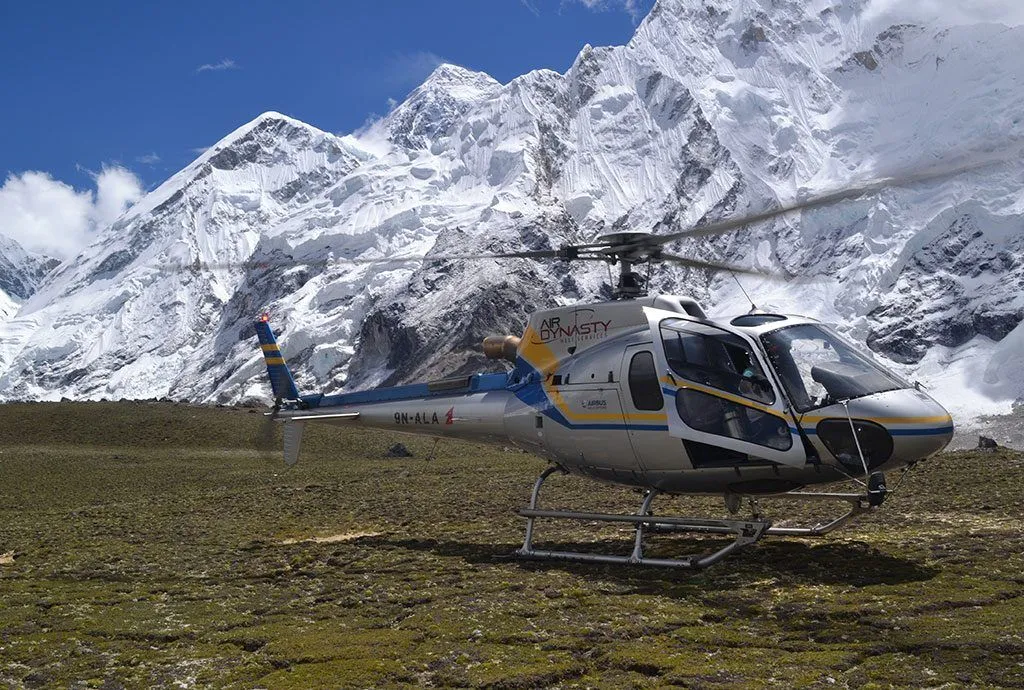
The Everest region is not one trip. The journey to Everest base camp via traditional lodge treks, technical climbs to Lobuche East or Island Peak, and the thrilling flight to Lukla all call for different levels of fitness, preparation, and tolerance for risk. This guide explains how those pieces fit together so you can choose an itinerary that matches your experience.
Trekking in the Everest Region
Most visitors come to the Khumbu for trekking adventures. The main routes begin with a flight to Lukla or, for travelers with more time, a road journey to lower trailheads followed by several extra walking days.
Everest Base Camp is the best-known objective. The standard route follows the Dudh Koshi Valley through Namche Bazaar, Tengboche, Dingboche, Lobuche, and Gorak Shep. It is demanding because of altitude, long days, cold conditions and uneven terrain rather than technical climbing. You do not need rope work or prior mountaineering experience, but you do need solid hiking endurance and a well arranged acclimatization plan.
The Gokyo Lakes route is often a stronger choice for trekkers who want quieter trails and wider mountain views. It climbs through the Gokyo Valley to turquoise lakes and Gokyo Ri, then may cross Cho La Pass to connect with the Everest Base Camp trail. That pass adds snow, ice, and a longer day, so it is best for fit trekkers who have already acclimatized well.
For a less crowded alternative, consider the Pikey Peak Trek in the lower Everest region. It offers major Himalayan panoramas, including Everest on clear mornings, at a lower maximum altitude than the classic Everest Base Camp route. It can be a more suitable introduction for first-time Nepal trekkers.
For travelers with limited time or those who prefer to experience Everest without a full multi day trek, the Everest Base Camp Helicopter Tour provides a fast and scenic alternative.
Besides, there is also an option for the helicopter return trips. For instance, the Everest Base Camp Trek with Helicopter Return combines the classic trek to Everest Base Camp with a scenic helicopter flight back from Gorak Shep, allowing you to experience the full ascent while saving time and avoiding the long return hike.
Altitude Is the Main Limiting Factor
In the Everest region, the itinerary matters as much as your fitness. Namche Bazaar sits around 11,300 feet, while Everest Base Camp is roughly 17,600 feet. At those elevations, even strong hikers can develop acute mountain sickness.
A safe plan includes gradual ascent, rest or acclimatization days, good hydration, adequate calories and the willingness to descend if required. Headache with nausea, unusual fatigue, dizziness, or poor coordination should never be treated as something to push through. Medication can support an acclimatization plan, but it does not replace sound judgment and safe climbing practices.
Build fitness before departure with regular uphill walking, stair climbing, and longer weekend hikes carrying a loaded daypack. The goal is not speed. It is the ability to walk steadily for several consecutive days while recovering well overnight.
Trekking and Climbing Peaks in the Everest Region
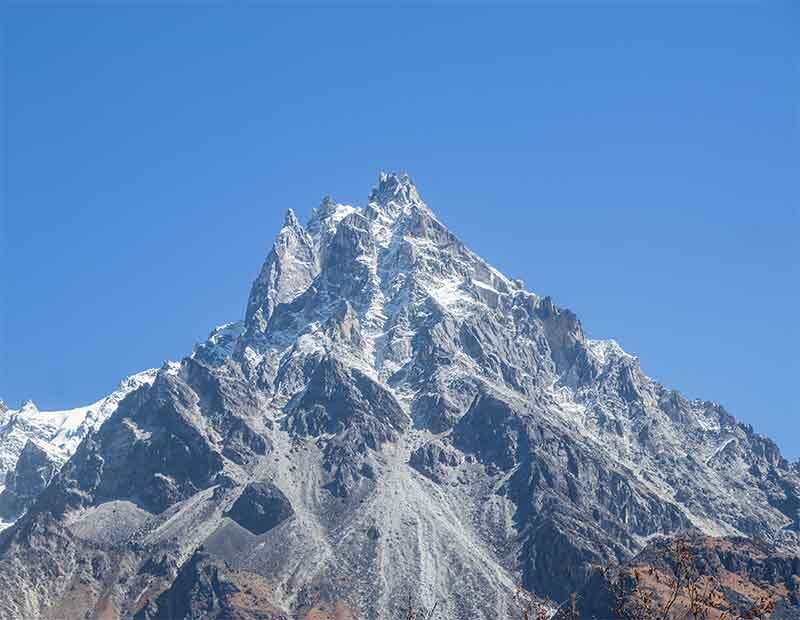
Peak climbing is a separate activity from trekking. Island Peak, Mera Peak, and Lobuche East are common objectives, but each requires additional time, equipment, permits, and technical preparation.
Island Peak is frequently marketed as a beginner climbing peak, which can be misleading. It typically involves glacier travel, fixed ropes, crampons, an ice axe, and a steep final section. Mera Peak is less technically steep in normal conditions but reaches a much higher altitude, making acclimatization and cold-weather resilience central challenges. Lobuche East also demands technical skills and is often attempted after acclimatization on the Everest Base Camp route.
Beyond trekking peaks, the Everest region also provides access to more demanding expedition objectives, including higher and more technical Himalayan climbs that require advanced mountaineering skills, greater logistical support, and significantly more experience.
A well crafted climbing itinerary includes skills training, qualified climbing guides, appropriate group ratios, contingency days, and emergency planning. Prior experience using crampons and an ice axe is helpful, though some guided trips teach basic skills on location. A permitted peak can still be dangerous and challenging. It does not mean that a peak is within your ability. Weather, route conditions, and altitude can change the difficulty quickly.
Flying to Lukla: Useful but Weather-Dependent
Lukla flights save days of walking, but they are among the most weather-sensitive parts of an Everest trip. Flights can be delayed or canceled because of clouds, wind, visibility or airport congestion. So, keep at least two to three flexible days after your trek before an international flight from Kathmandu.
Morning departures usually offer the best chance of flying. Helicopter transfers may operate when fixed-wing flights cannot, but availability, weather limits, and cost vary significantly.
Travel insurance should specifically cover high-altitude trekking, helicopter evacuation and trip interruption. Read the altitude limit and exclusions carefully. A policy that covers hiking at 10,000 feet may not cover an Everest Base Camp itinerary.
Permits, Seasonn and Choosing the Right Trip
Everest region treks generally require a Khumbu Pasang Lhamu Rural Municipality permit and a Sagarmatha National Park entry permit. Peak climbing adds a separate climbing permit and may require more detailed logistics. Requirements and fees can change, so confirm them close to departure.
Spring, from March through May, and fall, from late September through November, are the primary trekking seasons. Fall usually brings clearer post monsoon skies while spring offers warmer temperatures and lively trails. Winter can work for prepared trekkers who accept colder conditions and possible snow. The monsoon months bring rain, clouds, leeches at lower elevations, and frequent flight disruption.
The right Everest trip is the one that leaves room for acclimatization, weather delays, and sensible decision-making. If you are uncertain whether to trek, add a peak climb, or arrange guided support, choose the lower-risk itinerary first.