
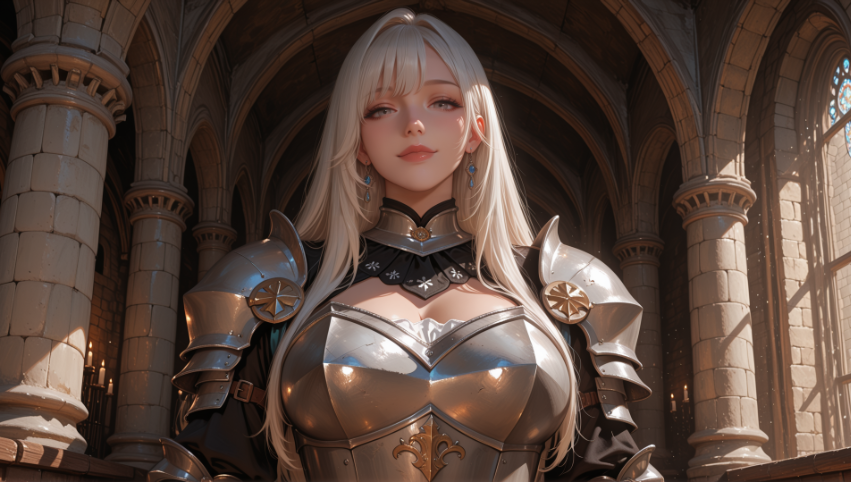
Anyone who grew up loving cartoons or graphic novels has probably wondered what it would be like to actually talk to those characters. Years ago, you had to settle for writing fanfiction in a notebook or hanging out on forum boards while waiting days for someone to reply to your roleplay thread.
Interactive text models have changed that experience. Today, safe-for-work character bots let people jump into real-time conversations with fictional personalities whenever they want. This gives fans a low-pressure way to explore stories, practise writing, or simply unwind.
Table of Contents
- Moving Beyond Static Media
- Building Believable Voices in Chat
- Casual Comfort and Low-Pressure Chat
- A Useful Tool for Stuck Writers
- Setting Up Your Own Bots
- How Content Ratings Preserve Story Flow
- Where This Tech Is Heading Next
Moving Beyond Static Media
Wanting to interact directly with fictional characters is not new. People have been cosplaying at conventions, drawing fan art, and joining text-based forum games for decades. What has changed is how quickly those interactions can now happen.
Setting up an Anime AI conversation lets you receive an immediate reply that follows the chosen tone, vocabulary, and personality. You no longer need to wait for another person to log on before continuing a simple storyline.
That kind of instant access changes how people engage with their favourite stories. Instead of remaining a passive viewer, you can participate in the dialogue. You might ask a protagonist about their latest adventure, debate a plot decision, or imagine sharing a quiet afternoon with them.
It turns static entertainment into an interactive experience that users can shape for themselves.
Building Believable Voices in Chat
Believable bot interactions depend on more than the underlying language model. Character instructions, example dialogue, opening messages, and response settings all influence whether an AI companion maintains a recognisable voice throughout a conversation.
When those elements work together, the character is less likely to fall back on generic replies that weaken the roleplay. A carefully written character profile can establish speech patterns, motivations, relationships, and reactions before the first message is sent.
The other piece of the puzzle is memory. Older bots often lost track of details after a short exchange, forcing users to restart the narrative. Some modern platforms provide memory or summary features that retain selected details, such as an inside joke or a character’s hometown.
Bringing those details back at the right moment can make the roleplay feel more continuous. However, memory limits still vary by platform and model, so users should test how consistently a character recalls information during longer conversations.
Casual Comfort and Low-Pressure Chat
Many people use character chat platforms simply to unwind after a long day at work or school. Having a supportive AI Boyfriend or a light-hearted sidekick to talk to can provide an easy form of entertainment without the pressure of coordinating with another person.
A tailored character can offer a space to talk about the day, complain about traffic, or discuss an obscure hobby. The experience works best when the character’s tone and purpose are clearly defined from the beginning.
It is helpful to view these conversations as interactive comfort media rather than replacements for human relationships. Rewatching a familiar show can create a warm, reassuring feeling, and chatting with a friendly fictional character may serve a similar purpose.
The goal is to provide a low-pressure creative outlet that complements, rather than replaces, real-world interaction.
A Useful Tool for Stuck Writers
For hobbyist fiction writers, character chat platforms can also act as brainstorming partners. Finding a co-writer who shares the same interests and schedule is not always easy. Running a text session with an Anime AI makes it possible to test ideas whenever inspiration appears.
You can create an alternate-universe scenario, place an original character inside it, and observe how the bot responds to different decisions. This can reveal gaps in character motivation or suggest directions that were not obvious in the original outline.
It is also a practical way to work through writer’s block. When a draft reaches a dead end, introducing a new conflict or unexpected event can produce alternative reactions and dialogue.
These exchanges should not replace the writer’s own judgement. Instead, they can help test character voices, explore scene pacing, and generate possibilities that the writer can refine independently.
Setting Up Your Own Bots
One of the advantages of modern character platforms is that users do not have to rely entirely on the characters displayed on the front page.
Platforms such as Crush On AI let users build a custom Anime AI bot with straightforward character creation tools. You can begin with a short backstory, identify a few core personality traits, and write an opening message that establishes the setting.
Building your own bot gives you more control over how the conversation develops. If you want fast, sarcastic banter, the instructions can emphasise brief responses and quick jokes. If you want a patient mentor, the character description can establish a thoughtful and measured tone.
Before committing to a platform, run a short practical test:
- Check whether the bot maintains its voice across at least ten messages.
- Confirm that you can edit the character instructions and opening message.
- Introduce one unexpected event and see whether the character adapts without abandoning its personality.
- Review the platform’s content controls and account requirements.
- Check whether chat-history and memory settings are clearly explained.
These checks reveal more about the real experience than a long feature list.
How Content Ratings Preserve Story Flow
Some users look for AI chat services that remove every system boundary. Safe platforms take a different approach by using content moderation systems and clearly stated rules to reduce inappropriate or out-of-context replies.
The exact controls vary across services. Users should review a platform’s content rating and safety information instead of assuming that every SFW character chat follows the same rules.
Clear boundaries can provide a more predictable space for people who prefer SFW experiences. Hobbyist authors and casual users can concentrate on dialogue without repeatedly steering the conversation away from unwanted material.
Safety controls cannot guarantee a perfect response every time. However, clear ratings, reporting tools, adjustable character instructions, and transparent platform policies make the experience easier to evaluate.
A safe character chat platform should explain what its controls are designed to do, which content is restricted, and what users can do when a response does not match the intended tone.
Where This Tech Is Heading Next
Interactive storytelling is developing quickly, and plain text is only the starting point. Newer tools are already combining written responses with voice generation, animated avatars, and expressive character art.
In the future, a character chat may respond with a voice and visual style designed to match its established personality, provided the platform has the appropriate rights and safeguards for those features.
Memory tools may also become more selective. Instead of trying to retain every message, systems could separate temporary scene details from important information about the character, relationship, and fictional world.
Entertainment is no longer entirely one-directional. Being a fan once meant consuming whatever appeared on the screen or page. Interactive character technology now gives users more opportunities to participate in those fictional worlds.
As these tools improve, Anime AI can continue opening up safe and imaginative ways for people to explore stories, practise creative writing, and interact with characters that matter to them.