

In the UAE startup ecosystem, the most interesting companies are often the ones that solve a familiar problem in a completely different way. TUKA Dubai is one of those examples. Instead of treating furniture as a showroom-led, product-by-product purchase, the company turned home furnishing into a curated e-commerce experience built around speed, design, and convenience.
For anyone comparing furniture packages in Dubai, TUKA became successful because it answered a simple but painful customer question: how can someone move into an empty apartment and create a stylish, comfortable home without spending weeks visiting stores, coordinating deliveries, and assembling items separately?
The Market Problem TUKA Saw Early
Dubai and the wider UAE are fast-moving markets. Residents relocate for work, landlords prepare rental apartments, investors furnish units, and expats often need homes ready quickly. Traditional furniture shopping does not always match that lifestyle. Customers may need to visit several showrooms, compare items one by one, arrange multiple deliveries, manage assembly, choose curtains separately, and hope everything still looks beautiful at the end.
This was the gap TUKA positioned itself around. The company understood that the customer was not only buying furniture. The customer was buying time, certainty, design confidence, and a home that could become usable quickly. That shift from selling products to solving the full move-in problem is one of the reasons the startup story is so strong.
The One-Click Furniture Package Idea
TUKA built its concept around pre-curated furniture packages. Instead of asking customers to design every room from scratch, the customer can choose a style, select the home size, and receive a complete furnishing plan. This approach makes the buying journey closer to an e-commerce solution than a traditional showroom experience.
The model is especially powerful because furniture is an emotional and practical category at the same time. People want their homes to look beautiful, but they also need items that fit, arrive on time, and work together. By packaging furniture into ready concepts, TUKA made the process easier for customers who care about style but do not want the traditional furnishing drag.
Imane Mesfar and the Design-Led Vision
A major part of TUKA’s identity comes from co-founder Imane Mesfar. As a trained architect, Imane brought a design-led understanding of how people experience space. The idea was not only to sell beds, sofas, and tables, but to make beautiful homes more accessible to more people.
That design purpose matters in a startup story because it gave TUKA a clear mission: stylish homes should not be limited to people who can afford long design processes or expensive custom interiors. A curated package can make good taste easier to access, especially for people who need to move quickly or furnish a property from abroad.
Mehmet Ersin Kocak and the E-Commerce Operating Model
Co-founder Mehmet Ersin Kocak brought a different but complementary strength: management consulting and e-commerce/logistics experience. That background helped frame TUKA not only as a furniture brand, but as an operational model. The startup had to coordinate design, sourcing, online product presentation, payment, delivery, assembly, and customer support.
This combination of design thinking and operational thinking is important. Many furniture companies can show attractive products. Fewer can turn the entire furnishing process into a repeatable, online-led journey that works for studios, one-bedroom apartments, larger homes, landlords, and short-term rental properties.

Why the Model Reinvented the Furnishing Experience in the UAE
The UAE has a large expat population and a high level of movement between homes, jobs, and investment properties. That creates a strong need for fast, practical home setup. TUKA’s model fit this market because it reduced the number of decisions a customer needed to make while still offering a beautiful home.
The company’s value proposition can be understood through four practical advantages: stylish designs, hassle-free relocation, affordable furniture, and fast setup. The packages are curated by design experts; the customer avoids many separate showroom and supplier steps; the direct-to-customer approach helps control pricing; and the setup can be coordinated much faster than buying everything individually.
A Startup Built Around Customer Friction
The best startups usually win by removing friction from a process people already find painful. TUKA did this in several ways:
- It simplified selection by offering pre-curated home styles instead of endless individual choices.
- It connected furniture, delivery, assembly, and setup into one more coordinated journey.
- It used technology and online presentation to reduce dependence on old showroom habits.
- It made packages easy to understand by apartment size, such as studio, one-bedroom, and larger homes.
- It allowed customers to think in terms of a complete home, not only separate products.
This friction-focused strategy is why TUKA is more than a traditional furniture retailer. It is a service model for people who want a finished home without managing every small step themselves.
Trust Signals That Helped the Brand Grow
A startup can have a strong idea, but trust is what turns that idea into a scalable brand. TUKA strengthened trust through visible customer demand, a clear online identity, thousands of customers served, and external recognition in UAE media. The company has also highlighted advisory support from senior global furniture industry experts, which adds credibility to its ambition.
The trust story matters because buying furniture online requires confidence. Customers need to believe that the package will look good, fit the apartment, arrive as expected, and create the feeling shown in the concept. TUKA’s challenge was not only to sell online, but to make customers comfortable buying an entire furnishing solution online.
Expansion Beyond Furniture Packages
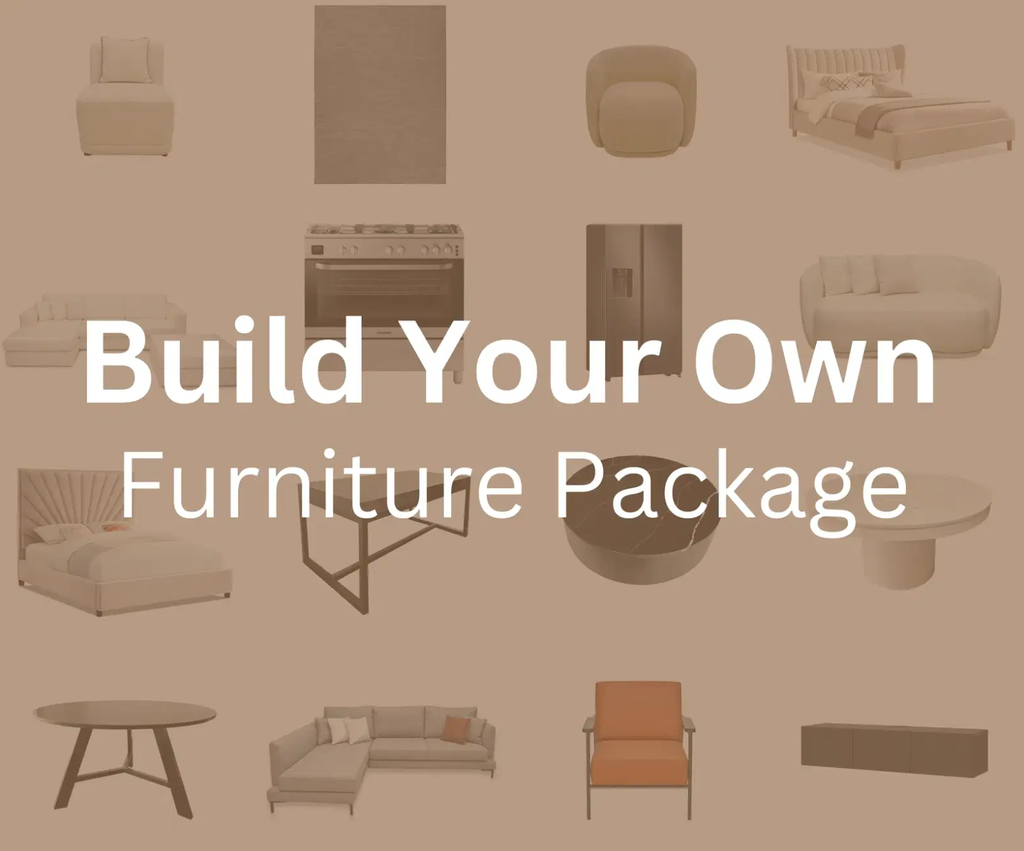
Another reason the TUKA story worked is that the company did not stop with one product format. The brand expanded the customer journey with individual furniture pieces, curtains, design services, home essentials, home appliances, interior design services and turnkey support. This allowed TUKA to serve both “efficient home lovers” who want a package and customers who prefer to upgrade or build their home with selected individual pieces.
That expansion makes business sense. Once a company owns the customer problem of furnishing a home, it can support more of the surrounding needs: curtains, decor, mattresses, lighting, home appliances, delivery coordination, interior design and AI-enabled design solutions. Each additional category strengthens the original promise of a more complete home experience.
What Other Startups Can Learn From TUKA
TUKA’s growth shows that innovation does not always mean inventing a completely new product. Sometimes it means redesigning the customer journey around a product people already need. Furniture existed before TUKA, but the company changed how many customers could buy and experience it.
The key lessons are clear: identify a painful customer journey, productize expertise, use e-commerce to reduce friction, make the offer easy to understand, and build trust around execution. For the UAE market, where time, mobility, and convenience matter, that combination created a strong startup opportunity.
Final Thoughts
TUKA Dubai became a UAE’s leading furniture brand because it treated furnishing as a full experience rather than a shopping task. It is growing fast and might become UAE’s next unicorn. The company combined Imane Mesfar’s design-led vision with Mehmet Kocak’s e-commerce and operations-led model that matches the needs of modern UAE customers. In a market where people want homes that are stylish, affordable, fast, and hassle-free, TUKA created a clear answer: a curated home in one click.
For Best Startup Story readers, TUKA is a useful example of how a founder team can rethink an old industry by focusing on the real customer pain points. The company’s success is not only about selling furniture. It is about making the process of creating a home easier, faster, and more accessible.