
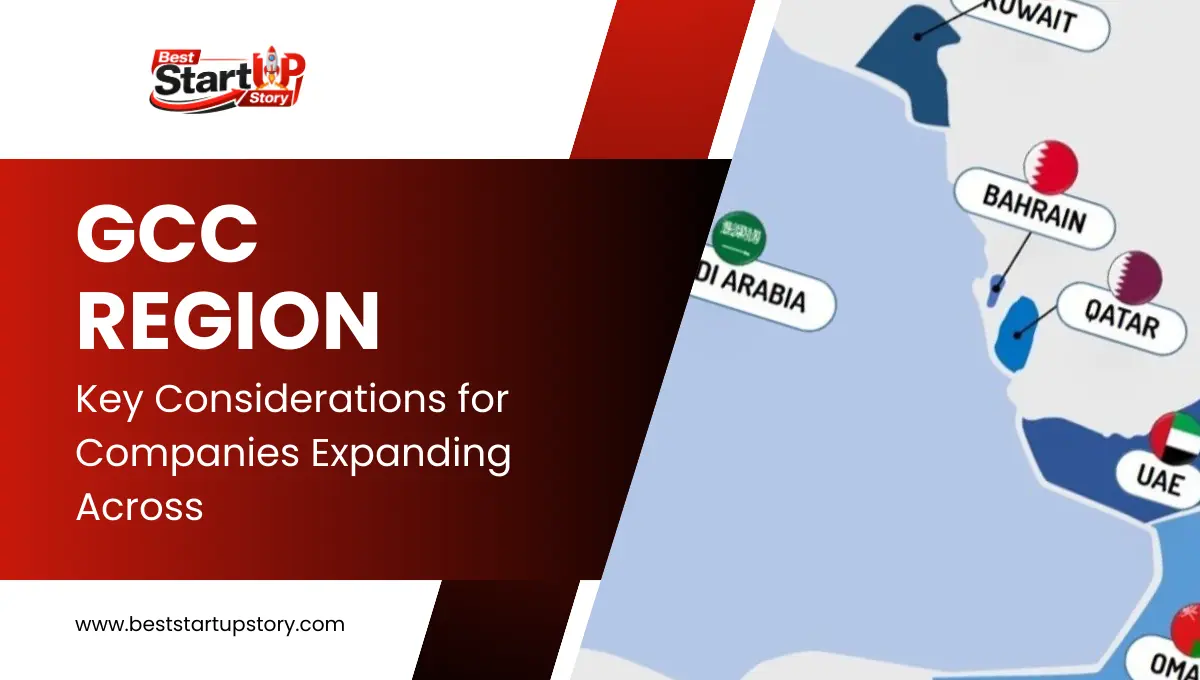
The GCC region continues to attract companies looking to expand across the Middle East, driven by its economic stability, modern infrastructure, and strong pro-investment government policies. Strategic geographic positioning between Europe, Asia, and Africa also makes the Gulf an ideal hub for international trade and regional operations. Many investors begin their regional journey in Saudi Arabia, often working with top consultants in Saudi Arabia to build structured expansion strategies that align with local regulations and long-term growth plans. Understanding essential requirements such as commercial registration Saudi Arabia, trade licensing procedures, and corporate bank account setup enables businesses to operate compliantly from the start while laying a solid foundation for wider regional expansion.
However, expanding across the GCC is not simply a matter of replicating a business model from one country to another. While the region promotes economic cooperation, each member state maintains its own legal, regulatory, and commercial frameworks. Businesses that take the time to understand these differences early are far better positioned to scale efficiently and avoid costly compliance issues.
Understanding Regulatory Differences Across the GCC
Although GCC countries collaborate on trade and economic initiatives, each jurisdiction operates under distinct corporate laws, licensing authorities, and compliance systems. Company ownership structures, foreign investment regulations, and sector-specific restrictions may vary considerably between Saudi Arabia, the UAE, Qatar, Oman, Bahrain, and Kuwait.
Licensing processes also differ in terms of documentation, approval timelines, and capital requirements. Some markets may require local sponsorship or partnership arrangements, while others permit full foreign ownership in designated sectors or economic zones. Conducting early regulatory due diligence helps companies map out the legal landscape, anticipate potential barriers, and design flexible structures that can be adapted across multiple markets. This proactive approach minimizes the need for restructuring later and supports smoother multi-country operations.
Structuring Operations for Regional Scalability
Centralized vs. Localized Models
One of the most important strategic decisions companies face is whether to adopt a centralized regional structure or operate through localized country-specific entities. A centralized model may offer cost efficiencies, streamlined governance, and consolidated decision-making, while localized structures often provide better regulatory alignment and market responsiveness.
The right choice depends on factors such as industry regulations, tax exposure, operational complexity, and long-term expansion goals. Some companies opt for a hybrid approach establishing a regional headquarters in one GCC country while maintaining compliant subsidiaries in others.
Cross-Border Compliance Management
Managing compliance across multiple GCC jurisdictions requires strong internal governance, standardized reporting frameworks, and clearly defined responsibilities. Companies must monitor changes in tax regulations, economic substance requirements, and industry-specific compliance rules. Establishing a centralized compliance function or working with regional advisory firms can help ensure consistent oversight while adapting to local legal requirements.
Workforce and Talent Considerations
Workforce planning is another critical factor in GCC expansion. Labor laws, visa systems, and employment regulations vary across countries, and businesses must also account for nationalization initiatives such as Saudization, Emiratization, and other localization programs. These policies aim to increase the participation of local citizens in the private sector and may influence hiring strategies and workforce structuring.
Access to skilled talent can differ by market and industry. Companies should assess local talent pools, compensation benchmarks, and training requirements to build sustainable teams. Developing regional HR policies that respect local labor laws while maintaining consistent corporate standards supports long-term workforce stability.
Advisory Support for Regional Expansion
Given the regulatory diversity and operational complexity of the GCC, experienced consultants play a vital role in guiding expansion strategies. Advisory experts help businesses prioritize markets, sequence market entry, manage licensing processes, and identify risk factors before they escalate. Their regional insights can significantly reduce delays, prevent compliance gaps, and improve overall expansion efficiency.
Conclusion
Successful expansion across the GCC region requires more than market opportunity, it demands structured planning, deep regulatory awareness, and strong operational foundations. Companies that invest in understanding jurisdictional differences, designing scalable structures, and seeking professional guidance are better positioned to achieve compliant, sustainable, and profitable regional growth.
Also Read: The Best Free AI Image Enhancer to Improve Quality – insMind