
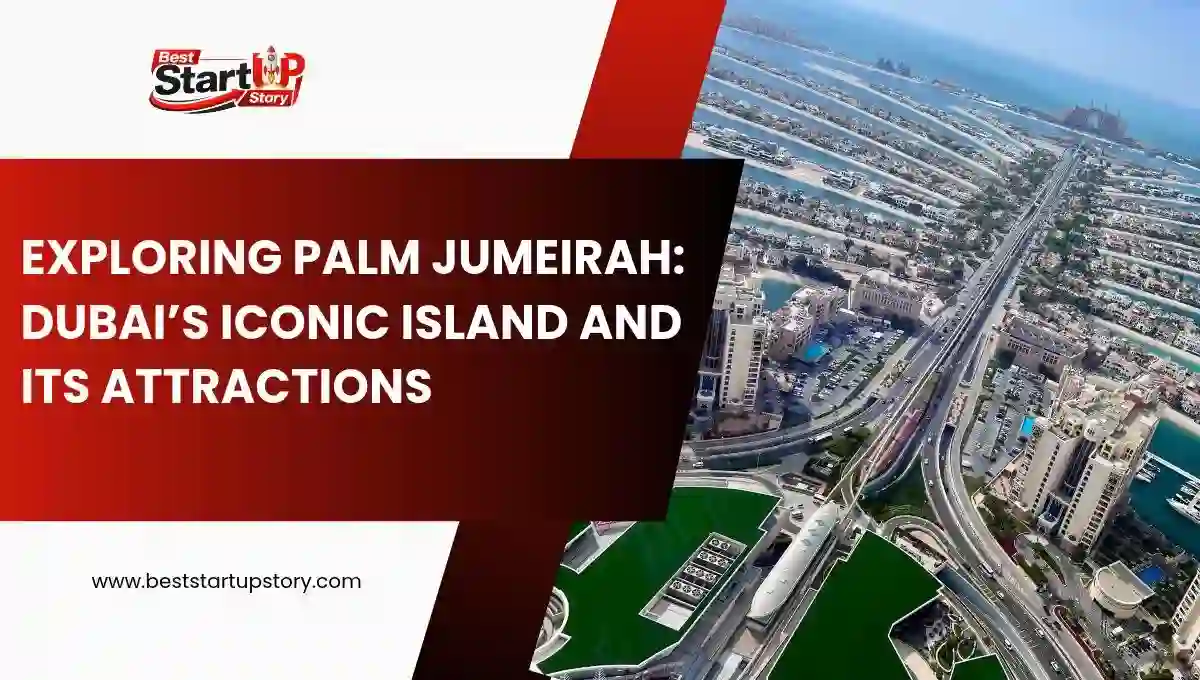
From above, the shape of Palm Jumeirah is unmistakable, with its long trunk, the residential fronds, and the surrounding crescent forming one of the most recognizable landmarks in Dubai. But when you’re on the ground, it’s not just an engineering achievement; the prospect is also one of several waterfront communities, luxury resorts, and impressive attractions.
Nakheel, the government-controlled property developer, began construction in 2001; residential occupancy started in 2007; and Atlantis, The Palm opened at the tip of the island in 2008. The end result has been the creation of a trunk, 17 fronds, and a crescent that occupies a total of about 560 hectares of land.
Since its completion, Palm Jumeirah has established itself in the competitive property and tourism market in Dubai. Its villas appeal to home buyers looking for waterfront properties, while the hotels and various attractions draw scores of visitors to the island during the year.
Homes on Palm Jumeirah
Unlike Downtown or Dubai Marina, the Palm isn’t a forest of skyscrapers. Most homes are villas or low- and mid-rise apartment buildings, and where you live on the island shapes the lifestyle you get:
| Part of the island | Typical homes | Who it suits |
| The trunk | Apartment buildings and a few towers, close to shops and the monorail | Professionals and couples who want convenience |
| The fronds | Private villas, most with their own stretch of beach | Families and buyers who want space and privacy |
| The crescent | Branded residences and apartments linked to five-star hotels | Buyers who want hotel-style services and sea views |
Inside, the style is mostly contemporary, with open layouts, floor-to-ceiling windows and plenty of light. Some newer projects mix in Arabic touches such as carved screens, patterned ceilings and warm metallic details. Many buildings also offer resort-style services, from concierge and housekeeping to private beach access, gyms and in-house dining.
Older villas on the fronds are now often bought, knocked down and rebuilt as custom mansions, which is a big part of why some of the island’s sale prices have climbed so high.
Which Celebrities Own Homes on Palm Jumeirah?
The island has long attracted famous names. Shah Rukh Khan has a reported beachfront villa and Reliance chairman Mukesh Ambani reportedly bought one of the island’s most expensive mansions. Plenty of other stars, athletes and business leaders own homes or holiday properties on the Palm, though most keep their exact addresses private.
Prices of Property on Palm Jumeirah
Buying Property
Palm Jumeirah has a vast price spectrum. The housing units in the trunk area are the least expensive option, while the island’s grand villas and penthouse units in high-end towers are in the ultra-lux category of real estate. Palm Jumeirah is the region that has the most properties sold for over $10 million in Dubai. Here are the key transactions:
- In 2026, Dubai Sotheby’s International Realty sold a villa for AED 161 million or AED 14,679 per sq ft, which is one of the highest prices in the Dubai market that year.
- In September 2026, a villa in the Ayumi project which measures 26,552 sq ft was sold for AED 260 million.
The market tends to change, and prices vary accordingly. Therefore, one ought to follow current listings and recent deals prior to deciding on the right price.
Staying on the Island
Palm Jumeirah also offers accommodation for visitors, from hotel apartments to luxury beachfront resorts. The main options include:
| Type of stay | Where you’ll find it | What to expect |
| Iconic resorts | Atlantis, The Palm and Atlantis The Royal on the crescent | Waterpark or aquarium access, celebrity-chef restaurants and the island’s highest rates |
| Five-star beach hotels | Along the crescent and the trunk | Private beaches, pools and spas, often with big summer discounts |
| Hotel apartments and holiday homes | The trunk and Golden Mile | More space for families, kitchens and lower rates for longer stays |
Nightly rates swing a lot with the season. Summer (June to September) is usually the cheapest time to book, while December, New Year and major events push prices sharply higher.
The Vibe on Palm Jumeirah
Life on the Palm unfolds at a more leisurely, tropical speed compared to the rest of the metropolis. Whereas the day commences with joggers on the promenade, afternoons are taken over by lazy days at the pool and beach clubs, and the evenings are spent having sunset dinners with the spectacular Marina skyline glowing in the distance. The Palm is known for one of the most vibrant dining scenes in Dubai, featuring kitchens of the world renown celebrity chefs, located in hotels located within the crescent.
Things to Do in Palm Jumeirah
The View, Palm Jumeirah. From the 52nd floor of the Palm Tower, the panoramic viewpoint provides the visitors with all-round 360-degree views of the island shape, the nearby coast, and the city of Dubai. The Next Level platform is located at an altitude of about 250 meters above sea level. The current standard ticket prices are AED 115 for adults and AED 80 for children, and the Next Level rates start from AED 190. Note that ticket prices can change, so if you are willing to visit, you could check the website before booking the tickets.
Atlantis, The Palm. Aquaventure World has one of the biggest collections of slides and attractions, and The Lost World Aquarium, previously called The Lost Chambers Aquarium, showcases sea creatures, providing exhibits and attractions. They both facilitate day visits by granting tickets to guests.
The boardwalk. It is a free stretch of 11 km across the crescent and provides the most beautiful skyline view in Dubai while the sun rises and sets.
Beaches and beach clubs. Palm West Beach is a famous public beach with cafes all around and most of the hotels offer day access to their pools and beaches.
Some more activities available in Palm Jumeirah consist of shopping in Palm Jumeirah Mall and Golden Mile Galleria, going for picnics in Al Ittihad Park, going on jet ski and yachting tours around the islands, while others would opt for taking the helicopter flight or tandem sky diving in order to observe experiences from above.
Is Palm Jumeirah Worth Visiting?
For many travelers, the Palm Jumeirah makes for at least a half-day’s visit. However, it is good to know where to go. Most of the fronds are just residentials anyway and there is not much to see in them, many of the beaches charge for entry, and food and drinks can be quite costly. The best plan would be to visit The View, Palm Jumeirah, go to the Palm Jumeirah Mall, take a walk on the semi-extended boardwalk, and have a meal at Palm West Beach or at one of the hotels on the island.
The Surroundings
Part of Palm Jumeirah Dubai’s appeal is what sits right next to it. The trunk meets the mainland between Al Sufouh and Dubai Marina, a few minutes from Sheikh Zayed Road. Within a short drive, you’ll find:
- Dubai Marina and JBR, with waterfront dining, The Walk and a long public beach
- Dubai Media City and Dubai Internet City, two of the city’s biggest business districts, which makes the Palm a practical home for people working nearby
- Al Sufouh and Madinat Jumeirah, with souks, hotels and beaches leading towards the Burj Al Arab
- Mall of the Emirates, a short drive away outside peak hours
Dubai International Airport is roughly 35 km away along Sheikh Zayed Road, usually 30 to 40 minutes by car depending on traffic.
Getting Around
- The Palm Monorail runs approximately 5.5 km from Palm Gateway to Atlantis Aquaventure, serving Al Ittihad Park and Palm Jumeirah Mall along the way. The service reopened in July 2026 after a six-month maintenance closure.
- The Dubai Tram stops near Palm Gateway, linking the monorail to the wider Metro network.
- Taxis and ride-hailing apps are the easiest way to reach the fronds and the crescent hotels.
- Water taxis and boat tours give a different perspective on the island and the Marina skyline.
The Palm’s Sister Islands
Palm Jumeirah was meant to be the first of several. Work on a second, larger island, Palm Jebel Ali, stalled after the 2008 financial crisis, but Dubai revived it in 2023 with a new master plan, and its villa launches have drawn strong demand. A third project off Deira was reshaped and renamed Dubai Islands. For now, the Palm Jumeirah remains the only one that is fully built and lived in.
Frequently Asked Questions
Is Palm Jumeirah free to enter?
Yes, there is no general entry fee to visit Palm Jumeirah. You can drive onto the island or explore accessible public areas without purchasing an attraction ticket. You’ll only pay for specific attractions such as The View, Aquaventure or private beach clubs, plus the monorail fare and any parking charges.
Why Do Hotel Prices on Palm Jumeirah Vary?
Hotel rates depend on the property, room type, season and travel dates. Hotel apartments on the trunk are generally more affordable than luxury resorts on the crescent, while Atlantis The Royal sits at the premium end. Prices tend to rise during the winter tourist season and major holidays.
Can you see the palm shape from the ground?
Not really. From street level, the island feels like a normal waterfront neighbourhood. To see the full shape, you’ll need to go up The Palm Tower to The View, take a helicopter tour or catch a glimpse from the air when flying into Dubai.
What’s the best time of year to visit?
November to March offers the most comfortable weather for the beach, the boardwalk and outdoor dining. Summer is very hot, but it’s also when hotel rates drop the most.
How long do you need to explore Palm Jumeirah?
Half a day is enough to visit The View at The Palm, explore Palm Jumeirah Mall and enjoy a walk along the boardwalk. Plan a full day if you want to include Aquaventure World, The Lost World Aquarium or time at a beach club.