What if you could start a business WITHOUT owning inventory, warehouses, or massive investment? 🤯
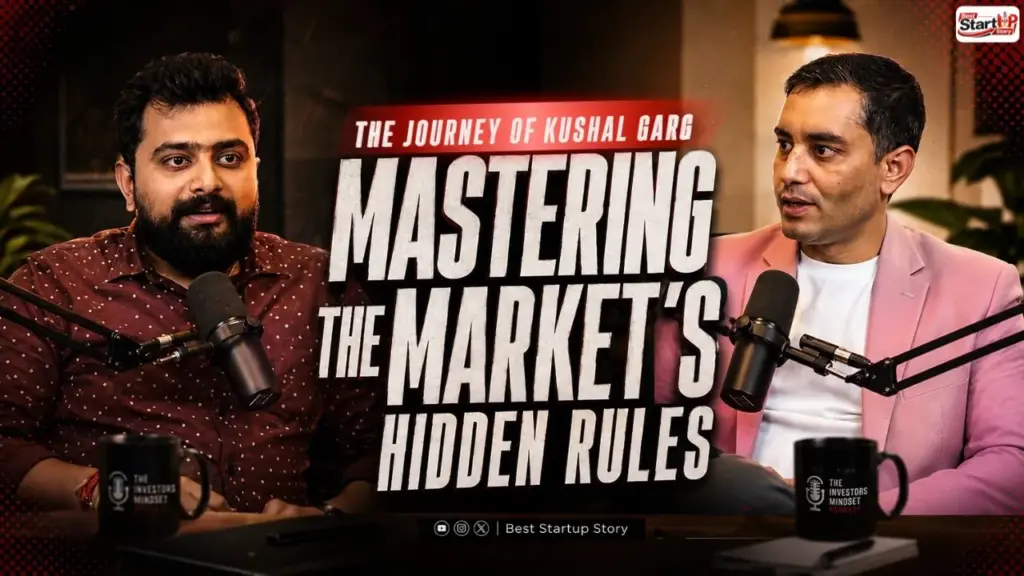
In this eye-opening podcast, Kushal Garg breaks down the real power of the Asset-Light Business Model and explains why smart founders are shifting toward scalable businesses with lower risk and higher flexibility.
In This Episode, We Discuss With Kushal Garg :
- Why low-availability products create massive opportunities
- How to choose the RIGHT business category
- The story behind “Gifting City”
- Is Gifting City online, offline, or both?
- Why traditional business models are becoming outdated
- How beginners can start with low investment in 2026
- Business mindset, scalability & future opportunities
If you’re a startup founder, entrepreneur, student, or someone planning to start a business — this episode will completely change how you think about business.
Time Stamps
0:00 – Introduction to Asset-Light Business & Entrepreneurial Journey
🎙️ Inder Singh introduces 🎙️ Kushal Garg and discusses how modern businesses are scaling globally using asset-light models without owning heavy inventory or warehouses.
3:08 – How Kushal Garg Started E-Commerce From Engineering Days
Kushal shares how he started selling products on Amazon, Flipkart, and Snapdeal during his engineering days in 2014 and explains the story behind building Gifting City from scratch.
10:31 – Expanding Business Globally: UAE, Australia & Singapore
Kushal explains how the company entered the UAE market in 2022 and later expanded into Australia and Singapore while building partnerships with multiple global brands across different product categories.
18:07 – Transition From B2C to B2B & The “Local to Global” Model
The conversation dives into how the company shifted from direct customer sales to a B2B distribution model and started helping Indian brands expand internationally through their “Local to Global” strategy.
28:42 – Powerful Business Advice for Young Entrepreneurs
Kushal shares valuable insights for beginners, explaining why entrepreneurs should target markets with high demand and low product availability, along with practical e-commerce growth strategies for 2026 and beyond.