
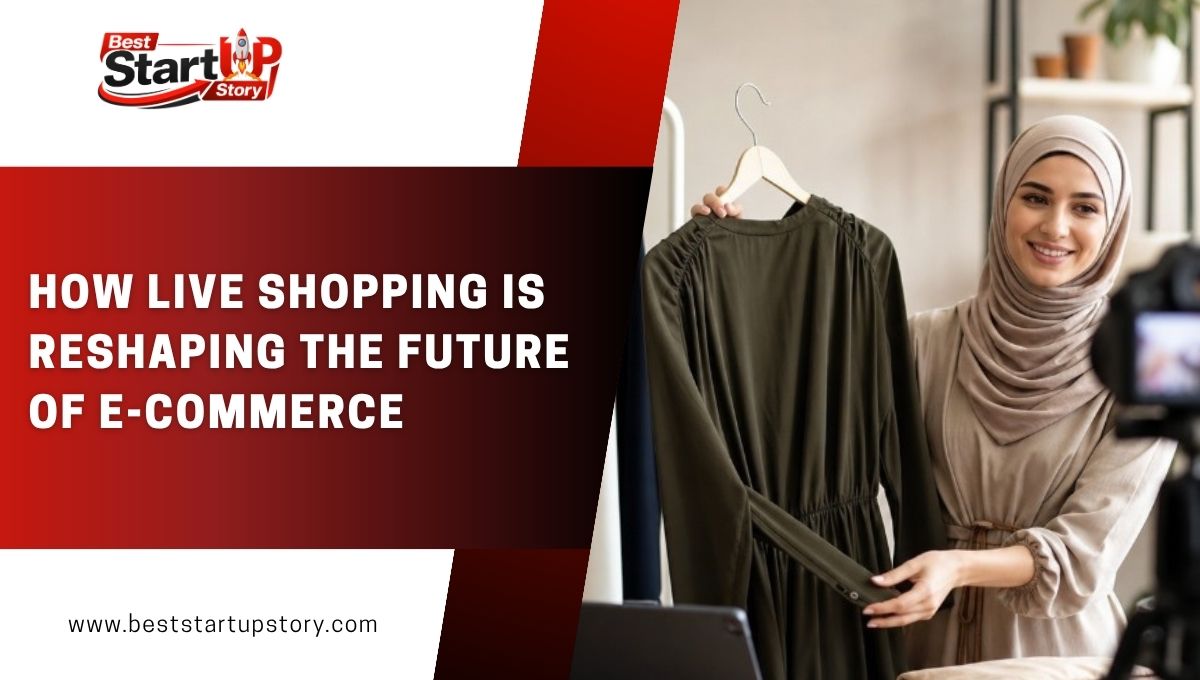
The Digital Storefront Has Come Alive
E-commerce has never stood still. From static product pages to personalized recommendation engines, the industry has continuously evolved to meet the expectations of increasingly sophisticated consumers. But perhaps no development in recent years has been as transformative — or as immediate — as the rise of live shopping. This format blends the spontaneity of live video with the convenience of online retail, creating an experience that feels less like browsing a website and more like attending an exclusive event. For brands, retailers, and entrepreneurs alike, understanding this shift is no longer optional. It is a strategic imperative.
What Makes Live Shopping Different From Traditional Online Retail
Traditional e-commerce is largely a passive experience. A shopper visits a website, scrolls through product listings, reads descriptions, and eventually decides whether to purchase. The process is efficient, but it lacks the human element that has always driven commerce in physical spaces. Live shopping changes that equation entirely. By introducing a real-time host — whether a brand ambassador, influencer, or product expert — the shopping experience becomes interactive, conversational, and emotionally engaging.
Viewers can ask questions, receive instant answers, watch live product demonstrations, and take advantage of time-sensitive offers — all without leaving the stream. This combination of entertainment and commerce, often called “shoppertainment,” has proven remarkably effective at driving purchase decisions. Conversion rates in live shopping events frequently outperform those of standard product pages by a significant margin, and average order values tend to be higher because viewers feel more informed and confident in their choices.
The Psychology Behind Real-Time Purchasing
There is a well-documented psychological principle at work in live shopping: social proof combined with urgency. When a viewer sees hundreds of others watching the same stream, commenting enthusiastically, and purchasing in real time, it creates a powerful sense of validation. The fear of missing out on a limited-time deal or an exclusive product further accelerates decision-making. Unlike a static product page that a shopper can revisit at any time, a live event has a beginning and an end — and that finality matters.
The Broader E-Commerce Landscape and Where Live Shopping Fits
To appreciate the significance of live shopping, it helps to understand the broader context of modern e-commerce. Electronic commerce encompasses a wide range of transaction types and business models, from B2B wholesale platforms to direct-to-consumer subscription services. What unites them all is the use of digital infrastructure to facilitate buying and selling. Live shopping sits at the intersection of social media, content creation, and retail — making it one of the most dynamic and rapidly growing segments within this already expansive ecosystem.
Markets in Asia, particularly China, have demonstrated just how powerful this format can be at scale. Chinese platforms like Taobao Live have generated billions of dollars in sales during single shopping events. Western markets are now catching up, with platforms like TikTok Shop, Instagram Live Shopping, and YouTube integrating commerce features directly into their streaming capabilities. The infrastructure is in place. The audience is ready. The question for most brands is simply how to get started.
Who Is Using Live Shopping and Why It Works Across Industries
One of the most compelling aspects of live shopping is its versatility. Fashion brands use it to showcase new collections with real-time styling tips. Beauty companies demonstrate product application techniques that static images simply cannot convey. Electronics retailers walk viewers through technical features in ways that build genuine confidence. Even food and beverage brands have found success, using live cooking demonstrations to sell ingredients and kitchen tools simultaneously. The format works because it mirrors the way people naturally make purchasing decisions — through observation, conversation, and trust.
Spotlight: ShopLine and the Live Shopping Movement
Among the platforms helping brands navigate this new frontier, ShopLine has emerged as a particularly valuable resource for merchants looking to understand and implement live shopping strategies. Live Shopping Explained through ShopLine’s comprehensive guide gives merchants a clear, practical breakdown of how the format works, what tools are required, and how to structure a live event for maximum impact. The platform’s approach is grounded in real-world application, making it accessible for both established brands and newer entrants to the market. ShopLine’s commitment to empowering merchants with actionable knowledge reflects a broader understanding that technology alone is not enough — education and strategy are equally essential.
Building a Live Shopping Strategy That Delivers Results
Launching a live shopping event without a clear strategy is a common mistake that leads to disappointing results. Successful live commerce requires careful planning across several dimensions: audience targeting, content scripting, product selection, technical setup, and post-event follow-up. Brands that treat live shopping as a one-off experiment rarely see meaningful returns. Those that commit to a consistent schedule, refine their approach based on viewer feedback, and integrate live events into a broader marketing calendar are the ones that build loyal communities and sustainable revenue streams.
Integrating Print-on-Demand Products Into Live Events
For entrepreneurs operating in the custom merchandise space, live shopping opens up particularly exciting possibilities. Shopify print-on-demand sellers can leverage live events to unveil new designs, gather real-time audience feedback, and create limited-edition drops that generate immediate excitement. The combination of on-demand production and live commerce eliminates the need for large inventory investments while still delivering the urgency and exclusivity that drive conversions. This model is especially well-suited to creators and niche brands that have built engaged communities around specific aesthetics or interests.
The Road Ahead for Live Commerce
The trajectory of live shopping points clearly upward. As internet infrastructure improves globally, as younger consumers who have grown up with streaming video enter their peak spending years, and as platforms continue to refine their commerce integrations, the format will only become more central to how people discover and purchase products. Augmented reality try-ons, AI-powered personalization during live streams, and multi-host collaborative events are already being tested and refined. The brands that invest in understanding and mastering live shopping today will be far better positioned to compete in the retail landscape of tomorrow.
Conclusion: Engagement Is the New Currency
E-commerce has always been about removing friction between desire and purchase. Live shopping takes that mission a step further by adding genuine human connection to the equation. It transforms passive browsers into active participants, and participants into loyal customers. Whether you are a global retailer exploring new revenue channels or an independent creator building a brand from scratch, the principles of live commerce offer a compelling path forward. The technology is accessible, the audience appetite is real, and the opportunity — for those willing to engage authentically — is substantial.